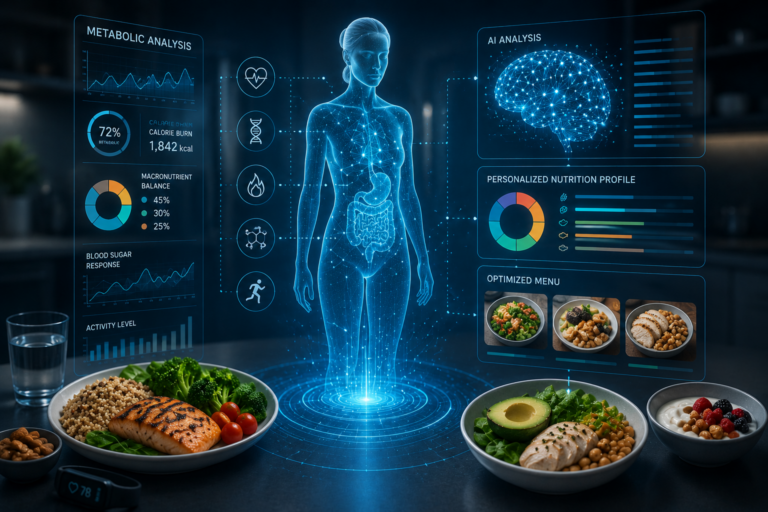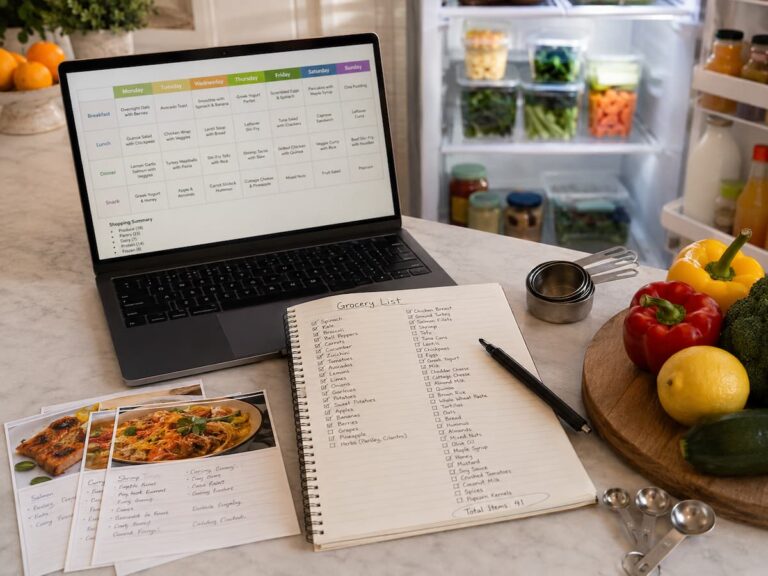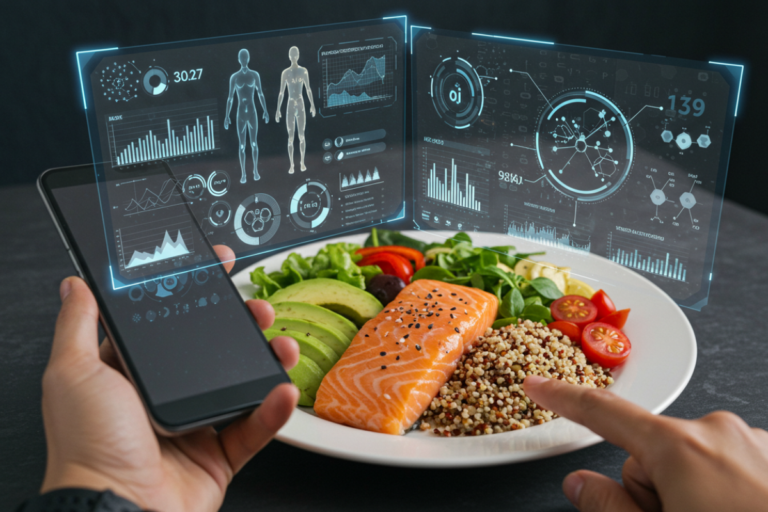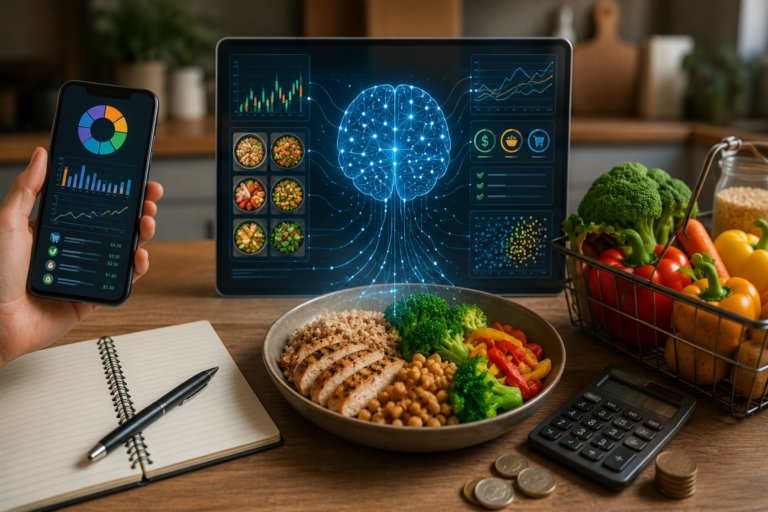

Cultural cuisine is much more than just food; it carries the legacy of history, family traditions, and regional customs passed down for centuries. Recently, technology has played a small but crucial role in preserving these unique flavors. From advanced sensors that measure cooking temperatures to ingredient combinations analyzed by AI, chefs and gourmets are exploring new ways to accurately recreate classic recipes. This does not mean that the essence of cooking is disappearing, but rather that it adds precision to centuries-old traditional techniques.
Today, even with slightly different ingredients, people can taste the delicious flavor of dishes their grandmothers cooked thousands of miles away. With advanced equipment, chefs can control cooking time, the amount of seasoning, and even fermentation processes almost perfectly. This means that cultural cuisine no longer limits itself to a region or seasonal ingredients. By combining traditional cooking techniques with modern technology, we can spread the spirit of cultural cuisine around the world, preserve the original taste, and allow people worldwide to enjoy authentic culinary experiences at home.
AI-driven Tools and Recipe Archives
AI is becoming an unexpected and powerful tool for the preservation of traditional cuisines. AI can search hundreds of recipes from around the world and analyze ingredient ratios, cooking methods, and flavor characteristics. This enables the development of digital manuals that understandably summarize centuries-old cooking processes. For example, artificial intelligence can determine the correct amount of spices in curry or the right kneading technique for bread and provide suggestions for accurate reproduction. These methods are particularly important for recipes that people rarely document but pass down orally.
Food historians and enthusiasts can capture these ephemeral traditions before they disappear. Artificial intelligence does not replace human intuition but rather enhances it, allowing chefs to experiment boldly without losing their authenticity. Outside the kitchen, when local ingredients are unavailable, artificial intelligence can also offer alternatives that preserve the original flavor as much as possible. Artificial intelligence connects tradition with modern tools, ensuring that cultural dishes remain vibrant, accessible, and adaptable to contemporary needs. Whether amateur or professional, chefs can easily get started while respecting the original creativity of each dish.
Maintaining Consistency and Preserving Classics
“One of the challenges for traditional cuisine is maintaining consistency while simultaneously preserving classic flavors. Home-cooked meals vary depending on the chef, the region, and even the weather. Smart kitchen appliances and artificial intelligence can compensate for these differences by providing reliable measurements and controlled cooking conditions. Connected ovens, temperature probes, and smart timers ensure that every portion of food yields the desired result. This applies particularly to fermented and baked products, where subtle changes in time or temperature can have a dramatic effect on taste and texture.
The goal is not to mechanize cooking, but to provide guidelines so that traditional techniques can consistently retain their charm. This allows families to continue enjoying authentic dishes without having to guess. Chefs can also use these insights to accurately record their recipes and pass them on to future generations. The combination of classic knowledge and modern precision technology enables everyone to easily enjoy the flavors of their youth, while novice cooks gain more confidence to prepare authentic dishes at home. “This also helps restaurants maintain the quality of ethnic cuisine so that customers taste exactly what they are supposed to taste every time.
Crossing Borders, Sharing Cultural Recipes
Shared culinary culture is flourishing. Technologies, including artificial intelligence (AI), can capture, translate, and share recipes with a global audience. Traditional dishes from around the world can now be found in kitchens worldwide, contributing to the preservation of these culinary traditions and their introduction into new cultures. AI-driven platforms can adapt recipes to local ingredients, dietary restrictions, and cooking utensils without compromising the original flavors. This is particularly important for recipes that require hard-to-find ingredients or specific cooking techniques.
AI can help chefs authentically replicate the taste of dishes in various situations by analyzing flavor and texture patterns. Sharing culinary culture globally also stimulates creativity and interest and fosters an understanding of culinary history, customs, and traditions. It increases respect for the craftsmanship behind each dish and helps ensure that these culinary treasures do not disappear and eventually become forgotten. Technology thus acts as a bridge between different communities, transcending borders, time, and generations to safeguard the integrity of culinary culture.
The Future of Flavor Preservation
The future of culinary culture and technology offers even more fascinating possibilities. Artificial intelligence (AI) may one day help predict how the taste of food changes during cooking or storage, allowing chefs to master complex recipes down to the last detail. Advanced sensors can detect subtle changes in smell, texture, and color and provide immediate feedback to ensure the continuation of centuries-old culinary techniques. In the future, you may be able to view extensive demonstrations in your kitchen using virtual reality or augmented reality and receive suggestions from artificial intelligence.
In addition to replicating traditional flavors, these devices also allow safe experiments that create new dishes inspired by tradition without sacrificing authenticity. As these technologies become more affordable and accessible, the preservation of traditional dishes will no longer be limited to professional kitchens but will benefit families, students, and foodies worldwide. In this way, dishes passed down from generation to generation can continue to tell their story in a way that aligns with modern life. In the quest for precision without losing the soul, technology ensures that traditional dishes remain a vibrant, evolving, and human-centered experience cherished by everyone.
FAQs
1. What is traditional cooking?
Traditional cuisine refers to the typical dishes and cooking styles of a specific region, community, or family. It carries stories, traditions, and flavors, forming a cultural identity.
2. How can technology help us preserve classic flavors?
We can use technologies such as artificial intelligence and smart kitchen appliances to capture recipes, evaluate ingredient combinations, and create standardized cooking conditions. This allows us to accurately preserve and reproduce traditional flavors.
3. Can I use local ingredients in traditional dishes?
Can artificial intelligence recommend substitutions and improvements for local ingredients without disrupting the flavor balance? Absolutely! Easily enjoy traditional dishes wherever you are.
4. Will cooking with AI eliminate the human factor?
No. Artificial intelligence is designed to assist with cooking, not to replace human intuition. It preserves the original taste of the food, while chefs retain the flexibility to maintain their own style and creativity.
5. Why should we protect traditional cuisines?
Traditional cuisines carry history, customs, and family memories. It makes it possible to pass on these unique flavors and techniques to future generations.

Ethan Caldwell is a wellness technology researcher and lifestyle writer focused on the intersection of health, innovation, and everyday wellbeing. He specializes in topics such as fitness technology, sleep optimization, AI-powered nutrition, workplace wellness, and mental health strategies. Through extensive research and analysis of emerging health trends, Ethan creates practical, easy-to-understand content designed to help readers make informed decisions and build healthier daily habits. His goal is to translate complex wellness concepts into actionable guidance for modern living.