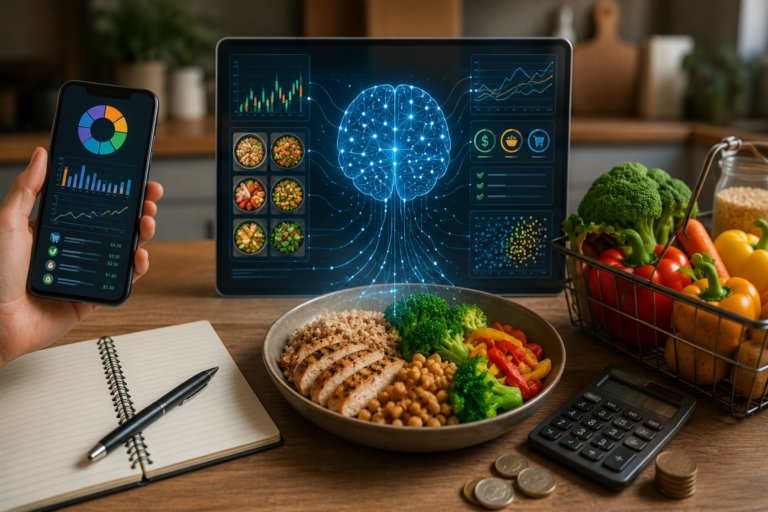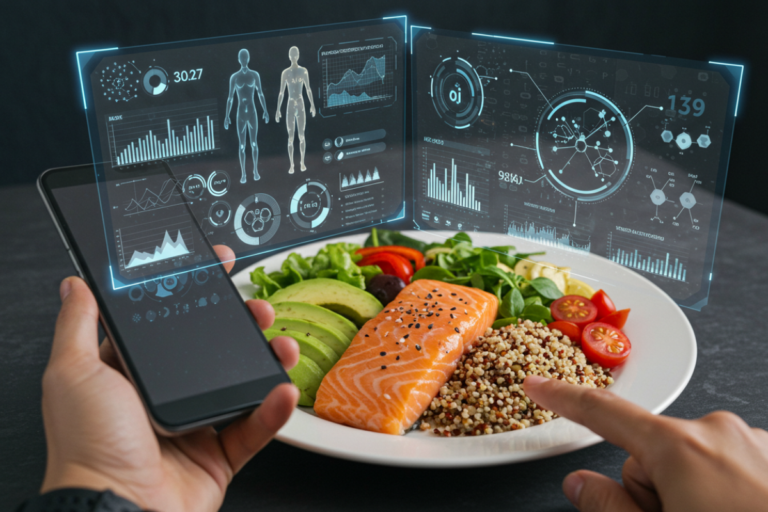

Every body processes food differently. Artificial intelligence (AI) reveals the mysteries of metabolism in unprecedented ways. Our bodies convert food into nutrients, generate energy, and store fat. Some people burn calories quickly, while others store them. AI can use your daily routine, your training level, and genetic indicators to determine your metabolism. By analyzing this data, AI can recommend diets that increase your energy, improve your digestion, and optimize your bodily functions. Imagine having a personal nutritionist who understands how your body reacts to different foods. It is about eating according to your body’s actual needs, not just to lose weight or build muscle. Even the most experienced experts sometimes overlook metabolic patterns that AI systems can detect. This results in personalized diets that satisfy your taste buds, curb your cravings, and promote your long-term health, without guesswork or trial and error.
Interpretation of Metabolism Data
Metabolism encompasses the chemical processes that sustain life and vitality. In the past, we needed laboratory tests, blood tests, and close monitoring to understand metabolism. AI has transformed everyday data into in-depth insights about your metabolism. Fitness trackers, smartwatches, and apps can track your nutrition, exercise, sleep, and heart rate. Artificial intelligence (AI) analyzes this data to identify trends. It can detect energy dips and determine which foods give you energy or, conversely, deplete you. AI uses these findings to predict your body’s response to food. For example, if you have trouble digesting proteins, AI can recommend alternative foods that offer the same nutritional value without causing discomfort. After weeks or months of training, AI gets to know your metabolism and which foods are best for your energy, concentration, and health. This approach makes meals more personalized, rather than a standard approach. The more data AI collects, the better it understands your metabolism, making it easier for you to eat healthier.
How AI Personalizes Menus
Once AI understands your metabolism, it can create personalized recipes. It takes into account your activity level, age, and daily energy expenditure to determine your nutritional needs. It then matches these needs with foods you enjoy and can digest well. AI does not simply recommend foods randomly; it also predicts how each dish affects your energy, mood, and digestion. For example, if you feel fatigued after lunch, AI might recommend proteins and slow-releasing complex carbohydrates. It also ensures a good balance between the taste and texture of the food so that meals are delicious and tasty. AI menus can even be adjusted in real time. Skipped breakfast or had a busy day? Your next meal choices can change based on your energy needs. Maintaining healthy eating habits in the long term makes healthy eating easy and natural. AI can combine personal data with nutritional research to create scientifically sound and practical meal plans. Traditional meal plans and dietary guidelines rarely offer such a personalized service.
Benefits of AI-driven Meal Plans
AI-driven meals offer many benefits. Convenience is a major advantage. You no longer need to count calories, search for recipes, or determine which foods are good for your metabolism. AI strives to find meals that fit your schedule, taste, and energy needs. Another advantage is accuracy. AI studies body patterns that people often overlook, such as how food affects blood sugar levels or fatigue. It can relieve stomach pain and boost your energy levels throughout the day. AI can also increase dietary variety, preventing monotonous eating and the development of bad habits. Because the system learns continuously, it can adapt to the effects of age, activity level, and lifestyle on metabolism. Artificial intelligence can help you develop a simple habit to ensure that every meal meets your body’s needs. In this way, eating becomes a form of self-care. AI-generated menus distinguish themselves from conventional diets and trends through their personalization, convenience, and long-term adaptability.
How AI Leverages Real-Time Feedback
Real-time feedback sets meal planning with AI apart. Other existing apps record meals, energy, and mood, and some even connect to wearables to track heart rate and sleep. AI adjusts menus based on your body’s responses and continuously refines predictions. For example, AI can remember if a particular breakfast option makes you tired and recommend alternatives. Our continuous learning process does not provide universal advice but rather helps you choose foods that boost your metabolism. Real-time input helps AI handle unexpected situations such as travel, illness, or a busy schedule, ensuring your menus remain flexible and effective. Over time, this approach offers not only nutritional advice but also creates personalized meal profiles. It tracks your metabolism’s response to food, lifestyle, stress, and sleep. AI makes meal planning more dynamic and flexible by listening to your body.
Overcoming Common Obstacles
Meal planning with AI is powerful but also challenging. Common issues include data accuracy. Logs, wearables, and self-reported habits all provide data for AI. Errors in the data can influence recommendations. Even incomplete data improves over time and as patterns develop, and most AI platforms check for obvious errors. Limitations regarding personalization pose another problem. Artificial intelligence (AI) cannot account for all your preferences, so periodic adjustments may be necessary. Because metabolic changes occur gradually, long-term effects require patience. However, the benefits outweigh these obstacles. Through periodic adjustments, AI can recommend healthier, more filling, and metabolically stimulating meals than generic programs. AI should be used as a tool, not as a rulebook. AI’s insights, combined with your judgment, can help you develop a meal plan tailored to your lifestyle, making healthy eating easy and fun.
The Future of AI in Nutrition
As AI continues to develop, it will undoubtedly become increasingly important in the field of nutrition. Future systems may integrate genetic data, microbiome analysis, and advanced metabolic tests. This could potentially yield very precise recommendations based on your body’s chemistry. AI can also better predict the long-term effects of nutrition, helping to prevent fatigue, indigestion, and vitamin deficiencies. As AI becomes more user-friendly, it can recommend meals based on local food availability, price, and preparation time. Healthy eating should be an instinctive and simple habit, supported by personalized recipes tailored to your body and lifestyle. AI-driven nutrition can change our understanding of nutrition, moving from basic advice to personalized solutions. Thanks to technological advancements, personalized meal plans are becoming more precise, convenient, and natural, making metabolism-boosting diets easier than ever.
FAQs
1. How does AI understand my metabolic needs?
AI analyzes movement, sleep, nutrition, and genetic information to understand nutrient absorption and utilization. It predicts meals that provide energy and promote health based on trends.
2. Will changes in my daily routine affect the AI menu?
Yes, AI adapts in real time.
3. Does AI require specific equipment?
Not necessarily.
4. Will AI recommend unhealthy food?
AI is designed to meet your dietary needs and taste preferences.

Ethan Caldwell is a wellness technology researcher and lifestyle writer focused on the intersection of health, innovation, and everyday wellbeing. He specializes in topics such as fitness technology, sleep optimization, AI-powered nutrition, workplace wellness, and mental health strategies. Through extensive research and analysis of emerging health trends, Ethan creates practical, easy-to-understand content designed to help readers make informed decisions and build healthier daily habits. His goal is to translate complex wellness concepts into actionable guidance for modern living.