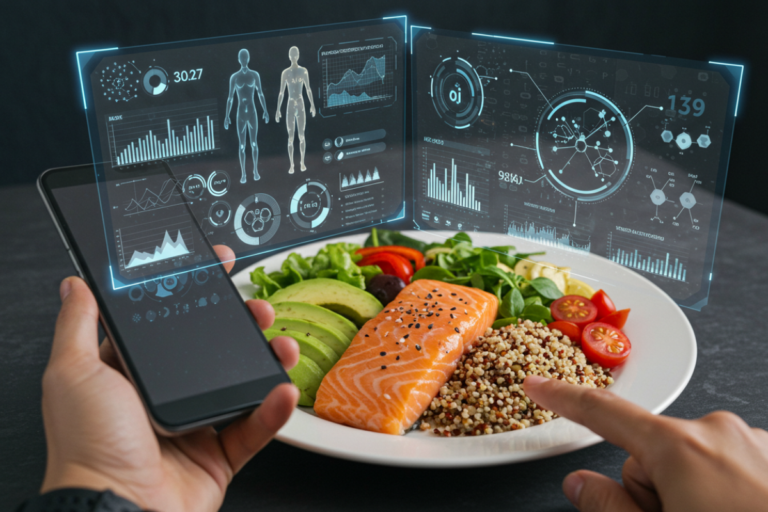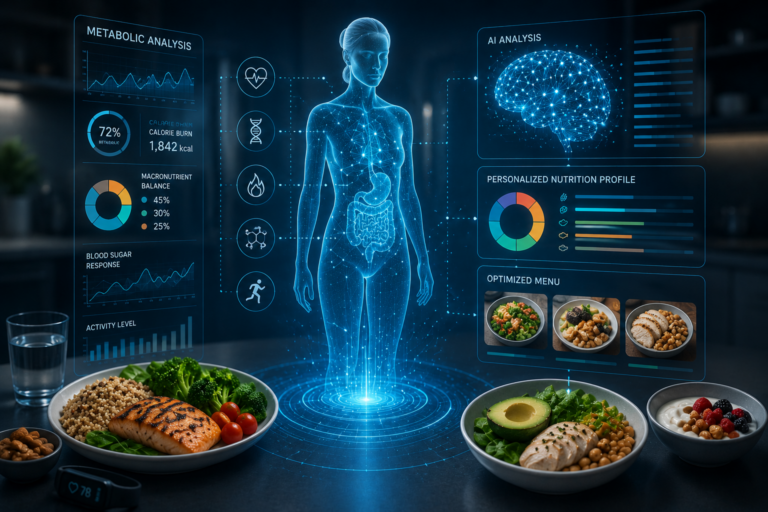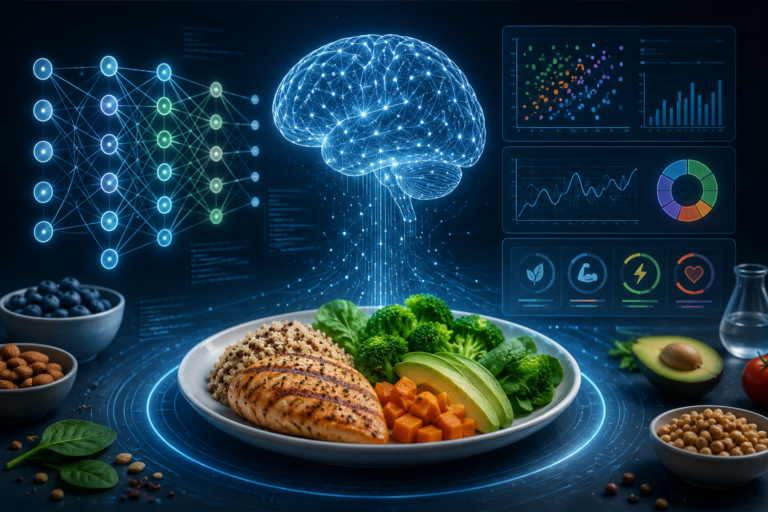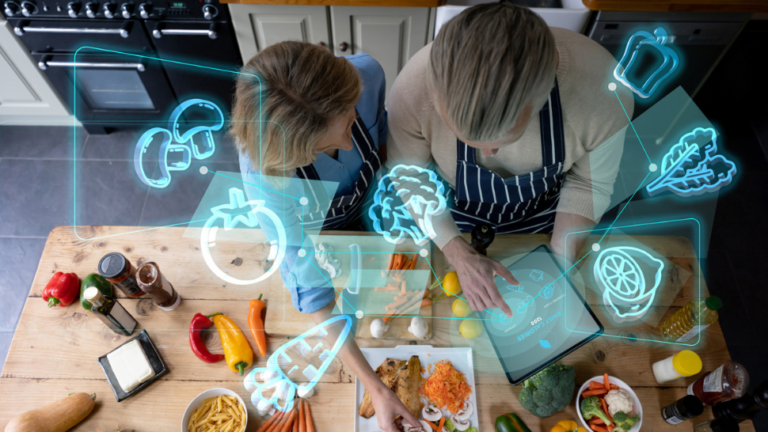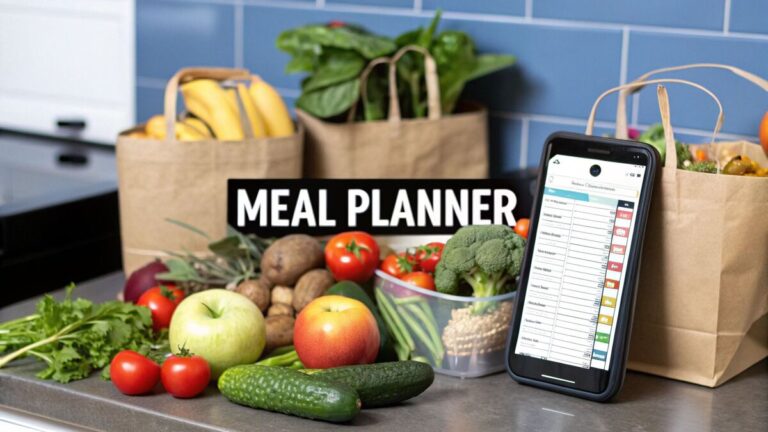

In today’s fast-paced life, it is difficult to find healthy food that meets your nutritional needs. Many people struggle with meal planning due to allergies, food intolerances, or simply food preferences. AI recipe generators change the game. They create meal plans and recipes tailored to your specific needs. These tools save you time and allow you to try out new recipes without worrying about food safety or suitability.
How AI Understands your Nutritional Needs
AI recipe generators use advanced algorithms to identify foods you cannot eat. These methods easily filter ingredients suitable for vegetarians, people with a gluten allergy, those following a ketogenic diet, or people with multiple food allergies. You simply tell the AI your preferences, dietary restrictions, or nutritional goals, and the AI creates recipes tailored to your needs.
For example, if you are lactose intolerant, the AI can replace dairy products with almond milk or coconut yogurt. People with a nut allergy are shown completely nut-free recipes, without compromising on taste or nutritional value. With such a high degree of personalization, cooking becomes less stressful and actually more enjoyable. The AI also learns your cooking habits. For example, if you regularly choose low-carb meals, the system will offer you more similar recipes. Over time, your AI recipe generator will better understand your health and lifestyle and become a more powerful and reliable assistant.
Save Time for a Busy Life
One of the biggest advantages of AI recipe generators is their speed. Traditional meal planning requires you to search for recipes, check ingredient lists, and often adjust ingredients to your needs. AI tools make the entire process faster and easier.
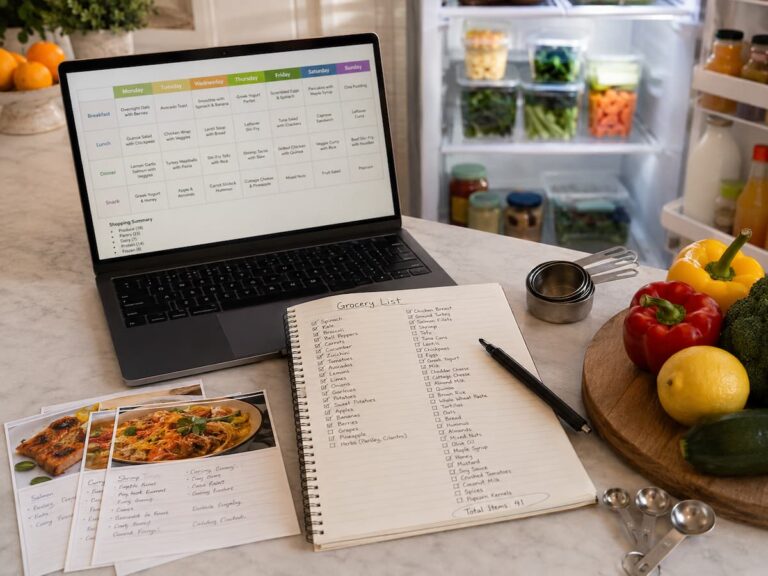
You can plan meals for an entire week in less than five minutes. Simply provide your dietary restrictions, the types of meals you want, and the ingredients you already have at home. The AI then generates a recipe list with nutritional information and detailed cooking instructions. Some powerful systems even create a shopping list for you, ensuring you have all the necessary ingredients at home. This convenience is especially important for families or people with special dietary needs. You don’t have to worry about missing key ingredients or misusing dangerous products, because AI does all the work. This allows you to focus on cooking and enjoying your meals.
Encourage Innovation and Creativity
For people with dietary restrictions, it is easier to stick to safe choices, which often leads them to eat the same dishes. AI-driven recipe generators break the monotony by offering fresh ideas. These tools can recommend exotic dishes you might never have tried before or combine ingredients in unexpected ways. For example, a gluten-free AI recipe generator might suggest a delicious and healthy pancake made with chickpea flour and cooked vegetables. By experimenting with AI-generated recipes, you can improve your cooking skills while following your diet.
AI can also offer alternatives for common ingredients, allowing you to adapt traditional recipes to your own needs. For example, a vegan AI can replace eggs with flaxseed or applesauce in a cake recipe, maintaining the same texture and taste without animal products. It is this freedom that makes cooking fun, rather than restrictive.
Ensuring a Balanced Nutrition
A major advantage of AI-driven recipe generators is their focus on nutrition. Many tools combine nutritional data with dietary guidelines to ensure that every meal contains balanced nutrition. This is especially important for people pursuing specific health goals, such as weight loss, muscle building, or maintaining stable blood sugar levels.
For example, people on a low-salt diet can find dishes that are both tasty and low in salt. Furthermore, tofu, beans, and rice can be smartly incorporated into protein-rich vegetarian meal plans, meeting protein requirements without using animal products. AI generators take both dietary restrictions and nutritional components into account, making it easier to adopt healthy eating habits.
Ease of Use and Convenience
Most AI-driven recipe generators strive for simplicity and ease of use. You do not need any computer knowledge to get started. Many are mobile apps or websites where you simply enter your dietary restrictions and taste preferences to immediately receive personalized recipes.
With advanced systems, you can even use voice commands or connect them to smart cooking appliances. Say to your AI: “Give me a dairy-free dinner that is ready in 30 minutes.” The AI will then provide you with a range of options with detailed cooking instructions for each dish. This makes meal planning using AI simple, even for people with limited cooking skills.
Examples of Practical Applications of AI Recipe Generators
Many AI cooking apps are gaining popularity because they can tailor recipes to various dietary needs. Users can filter recipes in apps like Eat This Much, Yummly, and Whisk based on their dining preferences, food allergies, and calorie requirements. In most cases, these tools also offer additional features, such as tracking nutritional values and integration with supermarkets, making them a complete meal planning solution.
A busy professional who cannot eat gluten or cheese, for example, can use these apps to plan a weekly menu, do grocery shopping quickly, and follow simple steps without having to spend hours searching online. These AI tools are incredibly handy in the kitchen because they are customizable, user-friendly, and inspiring. Limitations and points of attention
Although AI recipe generators are useful, they also have some limitations. For example, changing ingredients can alter the taste or texture of a dish, and AI can sometimes recommend dishes you do not actually want. Users should therefore carefully check the ingredient list, especially people with a history of severe allergies.
Furthermore, these tools depend on the accuracy of the information. If information regarding dietary restrictions is missing or outdated, AI recommendations may not be entirely safe. Also, keep in mind that AI is not a substitute for medical advice from a doctor. People with complex health conditions should consult a chef or dietitian before making major changes to their diet.
The Future Development of AI in Personalized Cooking
AI-driven recipe generators have a promising future. Thanks to advances in machine learning, personalization is becoming increasingly intelligent. They can not only predict your taste based on your past dietary preferences and reviews but also tell you which foods are suitable for you.
By linking AI to smart kitchens, personal health devices, and meal delivery services, it can help you plan meals, source ingredients, and even prepare incredibly delicious dishes. Moreover, personalized, AI-driven nutritional advice is becoming increasingly accessible, making it easier for people to achieve their health goals and manage their diet. As technology advances, AI will not only make cooking easier but also help everyone eat healthier, more varied, and with more enjoyment.
Conclusion
AI-driven recipe generators are changing the way we eat, especially for people who need to follow specific meal plans. These tools make cooking easier, safer, and more fun by offering personalized meal plans, creative options, and nutritional advice. Meal planning using AI is incredibly convenient for busy people, families, and anyone who wants to eat healthily and easily, but it cannot replace the help of professionals.
You can use AI to try out new recipes, save time, and ensure your meals meet your needs. You can also enjoy a wider selection of dishes than ever before.
FAQs
1. Can AI recipe generators accommodate multiple dietary needs at once?
Yes, advanced systems allow you to combine restrictions such as gluten-free, vegan, and low-salt to generate recipes that meet all your needs.
2. Are AI-generated dishes safe for people with severe allergies?
Even if AI can eliminate allergens, you still need to check the ingredients yourself. If you have severe allergies, you should always read the labels and consult a doctor if necessary.
3. Can I customize the AI-recommended recipes?
Absolutely. Most AI tools allow you to adjust ingredients, quantities, and cooking times to suit your own taste.
4. Do I need to be computer savvy to use these tools?
Not at all. AI recipe generators are designed to be user-friendly. They usually come with mobile apps, web platforms, and even voice control.
5. Can AI help me achieve my weight loss goals?
Yes. AI tools can help you put together healthy, balanced meals based on your vitamin needs, carbohydrate content, and calorie intake.
6. Can artificial intelligence help me find recipes using ingredients I already have at home?
Yes. Many platforms allow you to enter the ingredients you have at home, after which AI generates recipes based on those ingredients. This helps reduce food waste.

Ethan Caldwell is a wellness technology researcher and lifestyle writer focused on the intersection of health, innovation, and everyday wellbeing. He specializes in topics such as fitness technology, sleep optimization, AI-powered nutrition, workplace wellness, and mental health strategies. Through extensive research and analysis of emerging health trends, Ethan creates practical, easy-to-understand content designed to help readers make informed decisions and build healthier daily habits. His goal is to translate complex wellness concepts into actionable guidance for modern living.