Modern professional environments require individuals to spend the vast majority of their waking hours anchored to a desk. The shift from physical labor to knowledge-based work has fundamentally altered human movement patterns, leading to a silent epidemic of inactivity. Office workers routinely sit for eight to ten hours a day, commuting in cars or trains, …
Work without breaks consumes cognitive resources and reduces productivity. Many professionals work despite exhaustion, assuming that more desk time equals more production. This method generally causes prolonged stress and poor output. Resting helps the brain focus, integrate knowledge, and handle stress. This prevalent issue can be solved via microbreaks. Cognitive resets occur throughout these 30- …
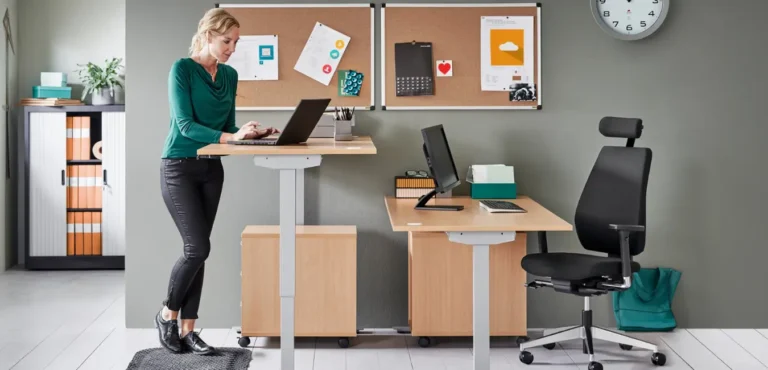
In the modern workplace, people often sit for long periods, which causes physical discomfort and reduces mental sharpness. Standing work is an ideal alternative to traditional workspaces, as it allows employees to adjust the desk height and perform tasks while standing. Switching from sitting to standing means more movement throughout the day. People who use …
Most companies invest heavily in ergonomic chairs, standing workstations, and premium coffee to improve the comfort and productivity of their employees. Discussions regarding facility management often focus on the aesthetics and design of offices. However, we often overlook one of the most important factors for a healthy workplace: the air we breathe in office buildings. …
For years, the way American companies operate dictated how professionals woke up, traveled to work, and took care of their health. The recent global shift toward remote work and hybrid work models has fundamentally changed this landscape, and academia is investigating how these new work patterns influence human biology. Occupational health experts have found significant …
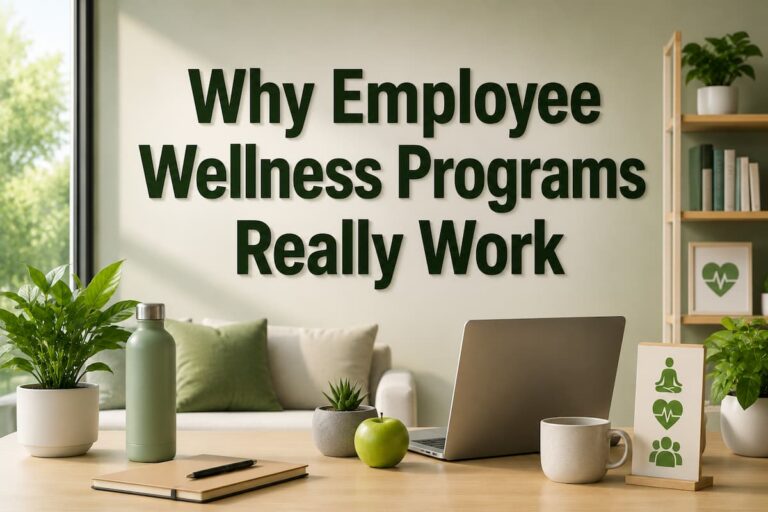
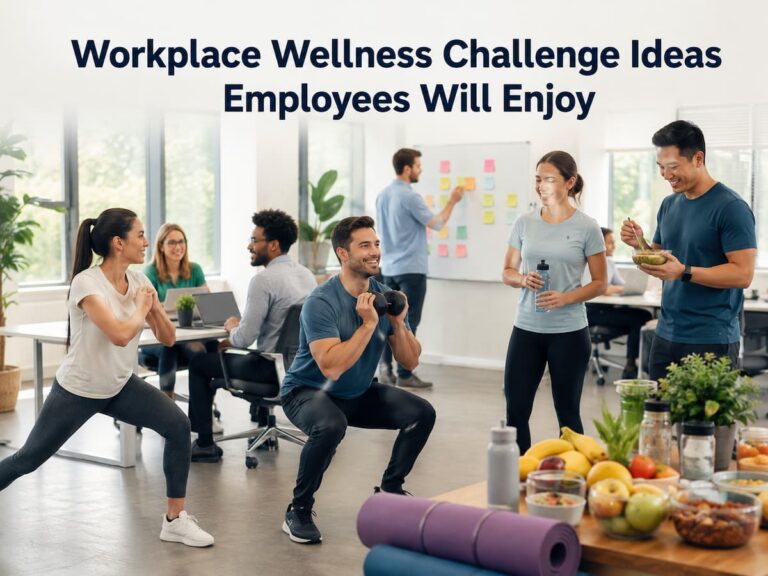
Companies all have noble intentions. HR departments offer various programs aimed at improving employee well-being, strengthening their resilience, and fostering team cohesion. Leaders set these initiatives in motion in the hope of broad support throughout the company. However, we often find that implementation leaves much to be desired. Employees feel overwhelmed by their work, and …