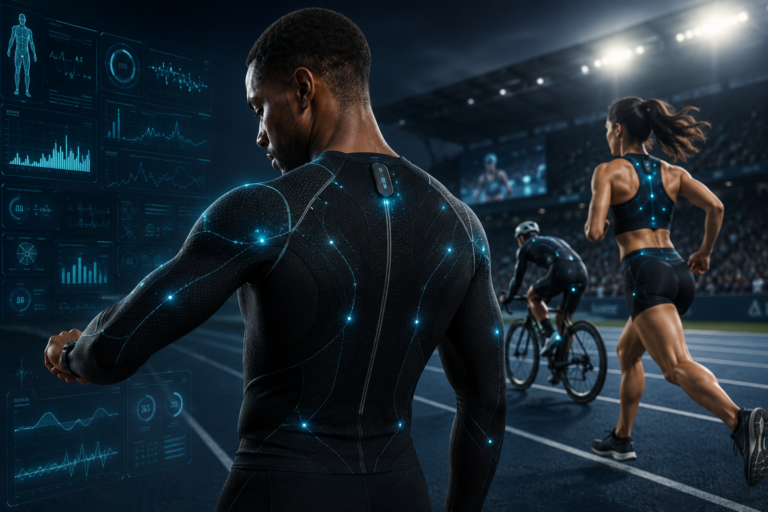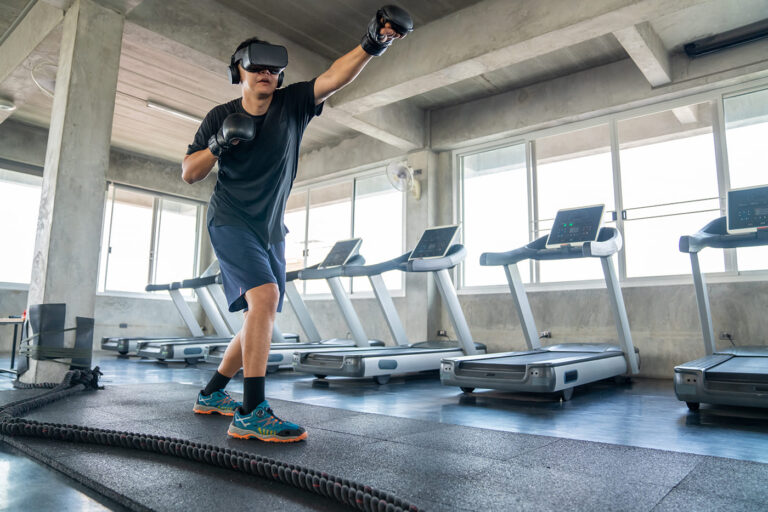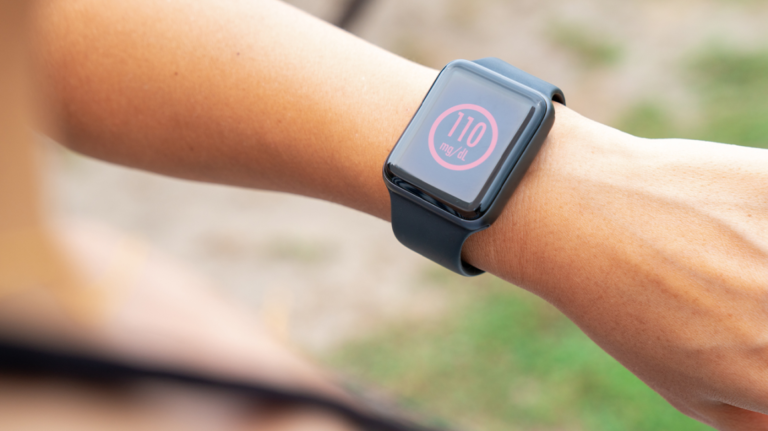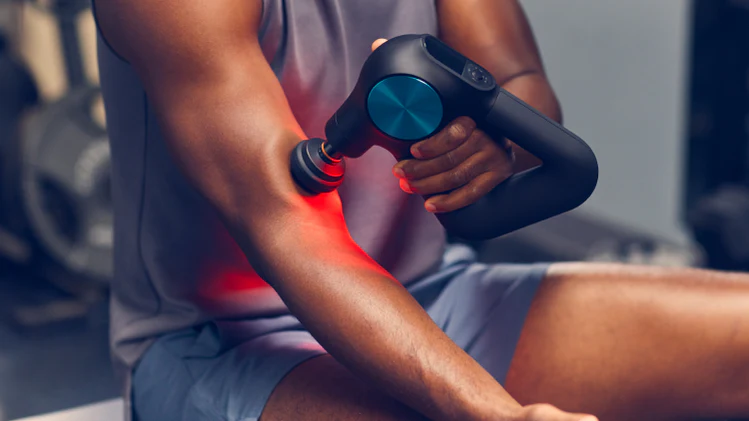
Fitness technology can make exercise easier to track, but buying several devices does not automatically create a better routine. A smartwatch, fitness app, smart scale, heart-rate monitor, workout platform, and other connected tools may all collect useful information. The challenge is getting those tools to work together without making fitness feel like another complicated digital project.
A fitness technology ecosystem is the group of devices, apps, services, and accounts you use to record and understand your activity. Some ecosystems are built around one main device, while others combine products from different companies. The right choice depends less on having the most features and more on whether the technology fits naturally into the way you already exercise.
Before choosing a platform, it helps to look at your actual routine. Someone who mainly walks may need very little technology, while someone who cycles, strength trains, swims, or follows structured workouts may benefit from a more connected setup.
Start With the Routine, Not the Device
The easiest mistake is starting with a product and then trying to build a routine around it. A better approach is to work backward. Think about what you already do during a normal week. Do you walk regularly? Follow gym programmes? Run outside? Exercise at home? Track workouts manually? The answers tell you which technology features could actually be useful.
For example, a person who mainly wants to become more consistent with daily activity may not need advanced training metrics. Someone preparing for endurance events may have entirely unique requirements. The technology should support the routine, not replace it.
Decide What You Actually Want to Track
Fitness platforms can collect a surprisingly large amount of information. One application may show all these measurements, including steps, heart rate, workouts, distance, sleep, calories, recovery estimates, and training load. n.
That does not mean you need all of them.
| Primary goal | Useful technology | What may be unnecessary |
|---|---|---|
| Daily movement | Activity tracker or smartwatch | Advanced training sensors |
| Running | GPS watch and running app | Features unrelated to training |
| Strength training | Workout app and activity tracker | Metrics you never review |
| Cycling | GPS device and compatible sensors | Extra devices with duplicate measurements |
| Home workouts | Workout platform and basic wearable | Expensive specialised hardware |
| General fitness | Simple wearable and activity app | Large collection of connected gadgets |
The goal is to identify a small group of measurements that can help you make useful decisions.
Think of the ecosystem as a chain.
A useful fitness setup can be viewed as a chain:
Device → App → Data → Insight → Action
The device collects information. The app stores and organises it. You review the data and decide what it means for your routine. Finally, you use that information to make a practical change.
If one part of this chain is difficult to use, the entire system becomes less useful. For example, a highly capable watch may record detailed workout information, but if its companion app is confusing and you never review the results, many of those features have little practical value.
Compatibility Matters More Than a Long Feature List
Two fitness products may look excellent individually but become frustrating when you try to use them together. Before purchasing a new device, check which phones, operating systems, apps, and services it supports. Also check whether the data you care about can be shared with the other platforms you already use.
Compatibility is particularly important if you plan to combine products from different manufacturers.
A device that works perfectly on its own may not provide the same experience when it becomes part of a larger ecosystem.
Consider Where Your Data Lives
Fitness technology creates a personal record of your activities. Over time, that record can become valuable because it allows you to look back at changes in your training and habits. That makes data portability worth considering before committing to an ecosystem.
Ask yourself what happens if you stop using the device in two or three years. Can you export your information? Can another supported application access it? Does the platform make it easy to retain your historical records?
You do not need to understand every technical detail before buying a fitness device. Simply knowing whether your important information can move with you can prevent unpleasant surprises later.
A Subscription Can Change the Real Cost
The purchase price of a fitness device is only one part of the cost. Some fitness ecosystems include optional or required subscriptions for advanced training programmes, more profound analysis, coaching, content libraries, or other features.
A low-cost device may therefore become pricier over several years if the features you care about depend on a recurring payment.
| Cost to consider | Question to ask |
|---|---|
| Hardware | What does the device cost initially? |
| Subscription | Are important features locked behind a recurring fee? |
| Accessories | Will additional sensors, straps, or chargers be needed? |
| Replacement | How often might the device need to be replaced? |
| Multiple apps | Will you end up paying for several overlapping services? |
Look at the cost of the complete system rather than judging one product in isolation.
Don’t Build an Ecosystem Around Duplicate Features
More devices do not necessarily produce more useful information. Imagine using a smartwatch, fitness band, phone app, and separate activity tracker that all measure similar daily activity. You may end up with several sets of numbers without a clear idea which one should guide your decisions.
Duplicate tools can also make your routine harder to maintain. A simpler system with one dependable primary tracker may be more useful than a collection of devices that constantly require charging, syncing, updating, and checking.
Battery Life Can Shape Your Routine
Battery life is easy to overlook when comparing specifications. A fitness tracker may offer impressive features, but frequent charging can become annoying. If you regularly leave the device at home because its battery is empty, it cannot record the activities you wanted it to track.
Think about your actual habits. If you exercise early in the morning, travel frequently, or want to track activity throughout the day, charging requirements can make a meaningful difference.
The most advanced device is not necessarily the best choice if it is inconvenient to keep powered.
Comfort Is Part of Compatibility
Technical compatibility is just one kind of compatibility. The device also needs to fit comfortably into your daily life. A wearable can have excellent sensors and software, but if its size, weight, strap, or charging routine bothers you, you may stop wearing it. This is especially important for people who want continuous or long-term tracking. Think about when you plan to wear the device and whether it remains comfortable during exercise, work, sleep, and normal daily activities.
Think About Your Phone Before Choosing Other Devices
Your smartphone often acts as the central connection point for a fitness ecosystem. The companion app may handle setup, synchronisation, notifications, data analysis, software updates, and account management. That means your phone’s operating system and capabilities can influence the overall experience.
Before buying a wearable or sensor, confirm that its companion software supports your phone and that the features you want are available on your platform. This small check can prevent compatibility problems after the purchase.
Decide How Much Data You Want to See
Some people enjoy detailed dashboards. Others find too many numbers distracting. There is no universally correct amount of fitness data.
If you like reviewing charts and trends, a more detailed ecosystem may be useful. If you mainly want a reminder to move and a simple record of workouts, an ecosystem with fewer metrics may be easier to live with.
A good test is simple: Will I actually look at this information?
If the answer is no, the feature should not be a major factor in your purchasing decision.
Privacy Should Be Part of the Decision
Fitness information can reveal details about your daily activities, exercise habits, sleep patterns, locations, and other personal behaviour. That makes privacy worth considering before creating accounts across multiple platforms.
Read the privacy information the manufacturer provides, and understand what information they collect, how they use it, and what controls you have. Also review connected applications and third-party permissions from time to time. An ecosystem can become more complicated as you add services, so knowing which apps have access to your information is useful.
A Good Ecosystem Should Reduce Friction
One of the strongest signs that a fitness technology setup is working is that you barely have to think about it. Your wearable charges when needed. Workouts synchronise automatically. Your preferred app receives the information it needs. The data is easy to understand, and you know what action to take from it.
That is very different from spending several minutes every day fixing synchronisation problems or entering the same workout into multiple applications. When comparing ecosystems, pay attention to the small tasks you will repeat every week. Tiny annoyances can become major sources of frustration when repeated for months.
Build the Smallest Useful Setup First
You do not have to buy everything at once. A sensible approach is to start with the device or service that solves your biggest problem. Use it for a while before adding another component.
- Identify your main fitness goal.
- Choose one primary tracking method.
- Learn how the app and device fit into your routine.
- Notice what information is missing.
- Add another device only if it solves a real problem.
This approach also makes troubleshooting easier. If something stops working, there are fewer components to check.
Different Routines Need Different Ecosystems
1. For someone focused on everyday activity
A simple smartwatch or activity tracker may be enough. Step counts, activity duration, and basic workout recording can provide useful feedback without requiring a complicated setup.
2. For regular runners
GPS tracking, workout history, heart-rate information, and a reliable running application may become more important. Battery life can also matter if longer outdoor sessions are part of the routine.
3. For strength training
The technology needs can vary. A useful workout log may be more valuable than advanced GPS features. The ability to record exercises, sets, repetitions, and progress can make the ecosystem more relevant.
4. For mixed workouts
People who combine walking, cycling, strength training, classes, and other activities may benefit from a flexible platform that can handle several workout types without requiring separate systems for each one.
Watch for These Warning Signs
A fitness ecosystem may not be a good match if you notice several of the following:
- The most useful features require a subscription you do not want.
- The device does not work properly with your phone.
- Important data cannot be transferred easily.
- You need several apps to perform basic tasks.
- The wearable is uncomfortable during normal use.
- You rarely understand what the collected metrics mean.
- The system requires frequent manual syncing or troubleshooting.
- You are buying features simply because they sound impressive.
None of these automatically makes a product unsuitable. They simply indicate that it may not fit your particular routine.
The Best Ecosystem Is the One You Will Keep Using
Fitness technology is most useful when it supports consistent behaviour. A simple system that you wear regularly and understand clearly can provide more practical value than an expensive setup filled with features you rarely use.
That is why the decision should not end with comparing specifications. Think about charging, comfort, compatibility, subscriptions, privacy, data access, and how easily the technology fits into your normal day. If those pieces work together, the technology becomes part of your routine rather than just another task to fit into it.
Conclusion
Choosing a fitness ecosystem isn’t about finding the most advanced devices; it’s about finding a system that integrates seamlessly into your life.
First, understand your daily habits to determine what truly helps you. Then, consider factors like compatibility, battery life, comfort, subscription services, privacy, and data portability. These details are just as important as the sensors inside the device.
A good ecosystem should make tracking your fitness activities easier, not turn it into an extra chore. When your devices, apps, and habits work together smoothly, the technology is more likely to remain useful over time.
FAQs
1. Do all my fitness devices have to be from the same brand?
Not necessarily. A single-brand ecosystem can simplify setup and synchronisation, but products from different manufacturers can also work well together if they support the necessary standards and integrations. Check for compatibility before purchasing additional devices.
2. Is a fitness subscription worth it?
That depends on how you actually use it. If you regularly take advantage of the workout plans, coaching, analytics, or other included services, then a subscription can be worthwhile. If you primarily need basic activity tracking, premium features may not offer much added value.
3. How much fitness data should I track?
There is no ideal amount. Start with data that is directly relevant to your goals. While tracking a lot of data can be useful for some, unnecessary information can make it difficult to focus on meaningful changes.
4. Is battery life critical for fitness wearables?
Yes, especially if you plan to wear the device all day or engage in long workouts. Devices that require frequent charging can lead to gaps in tracking and inconvenience. When choosing fitness equipment, it is important to consider charging frequency alongside other specifications.
5. Does privacy affect my choice of fitness equipment?
Yes. Fitness devices and apps can collect sensitive information about activities and other personal habits. Read the manufacturer’s privacy policy carefully to understand what information they collect, how they use it, and what data-sharing settings are available.
6. What is the best way to build a fitness equipment ecosystem?
First, determine your primary goals, then choose the minimal setup that supports them. Use the system long enough to understand which features are effective and which are missing. Add new devices only if they offer a clear benefit, not just to increase the amount of data.

Ethan Caldwell is a wellness technology researcher and lifestyle writer focused on the intersection of health, innovation, and everyday wellbeing. He specializes in topics such as fitness technology, sleep optimization, AI-powered nutrition, workplace wellness, and mental health strategies. Through extensive research and analysis of emerging health trends, Ethan creates practical, easy-to-understand content designed to help readers make informed decisions and build healthier daily habits. His goal is to translate complex wellness concepts into actionable guidance for modern living.