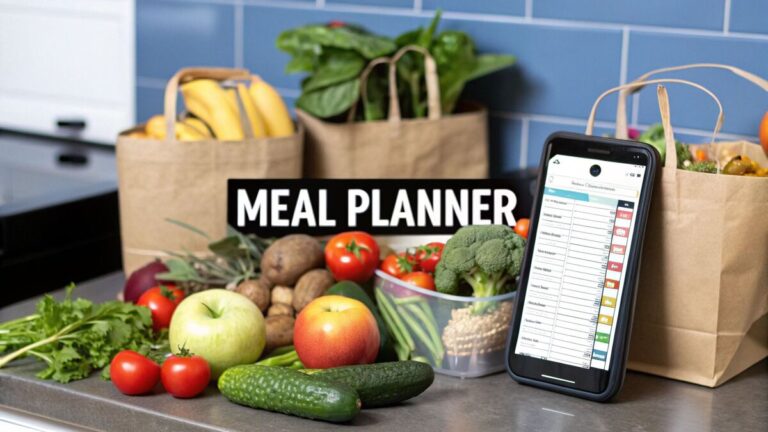

Food waste is a global issue. Every year, we waste billions of tons of food, while millions of people remain hungry. Managing food efficiently is an ongoing challenge for families, restaurants, and even grocery shops. Traditional meal preparation typically involves guessing, buying too many goods, forgetting ingredients, or allowing fresh foods to spoil. But now, technology offers a superior solution. Meal prep algorithms can help people and organizations avoid waste, save money, and eat better.
Smart meal prep uses data, prediction models, and digital technologies to plan meals precisely. Rather than intuition or rigorous meal planning, computers may assess purchase behaviors, expiry dates, portion sizes, and even recipe popularity and suggest ways to get the most out of food. This method allows you to buy only what you need and to use what you buy.
Understanding the Food Waste Issue
But before we start talking about algorithmic solutions, we need to understand why food waste happens. In the home, waste sometimes results from buying too much, storing food improperly or preparing too much. Restaurants or businesses lose out on spoilage, overproduction, and uncertain demand. Food manufacturers squander food that accounts for about a third of all food globally, and this has a significant environmental impact. Food waste leads to needless water consumption, greenhouse gas emissions, and landfill load. Waste reduction is an economic, but also an ecological and ethical duty.
What is Smart Meal Prep?
Smart meal prep is the combination of traditional meal planning and data-driven tools. The goal is to prepare meals efficiently while minimizing waste. Instead of planning blindly, smart meal prep uses algorithms to:
- Suggest recipes based on available ingredients.
- Calculate exact portion sizes to avoid leftovers.
- Predict how long food will last before spoiling.
- Recommend shopping lists tailored to actual consumption patterns.
For example, a smart meal prep app can tell you that you have enough chicken for three meals this week, suggest side dishes that use existing vegetables, and alert you if something is nearing its expiration date. The system adapts over time, learning your preferences and habits, which reduces guesswork.
How Algorithms Reduce Food Waste
Algorithms work by processing large amounts of data and finding patterns. In meal prep, they consider multiple variables:
- Inventory levels: Tracking what you already have at home prevents duplicate purchases.
- Understanding your consumption habits can help in suggesting realistic portion sizes.
- Shelf life: Predicting which foods will expire first ensures nothing goes spoiled.
- Recipe efficiency: Matching ingredients to recipes that use them fully avoids partial use.
A practical example is an app that scans your fridge and suggests recipes using ingredients that are close to expiring. Instead of throwing away a wilting zucchini, you might be prompted to make a stir-fry or soup. Restaurants can use similar systems to forecast customer demand and adjust daily production, minimizing leftovers while meeting diners’ needs.
The Role of Machine Learning in Meal Planning
Machine learning, a type of algorithm, can enhance smart meal prep even further. By analyzing historical data, it predicts future behavior. For households, this means learning your eating patterns, favorite meals, and typical leftovers. For businesses, it involves analyzing sales trends, seasonal demand, and customer preferences. The more data fed into the system, the more accurate the recommendations.
For instance, if the algorithm notices that you rarely eat certain vegetables on weekdays, it will adjust your shopping list accordingly. Or if it detects that pasta dishes are more popular than rice meals in your home, it can suggest recipes that use rice sparingly to prevent waste. Over time, the system reduces unnecessary purchases and ensures that you use all ingredients efficiently.
Practical Tools for Smart Meal Prep
Several tools and apps leverage algorithms to help reduce food waste:
- Fridge inventory apps: These let you scan barcodes or enter items manually and track expiry dates.
- Recipe suggestion apps: They recommend meals based on what’s in your fridge and pantry.
- Smart shopping assistants: These generate shopping lists optimized for your planned meals and family size.
- Waste-tracking platforms: Some apps track what you throw away and give insights for reducing future waste.
Benefits Beyond Reducing Waste
While reducing food waste is the main goal, smart meal prep offers several additional benefits:
- Cost savings: Buying only what you need and using all purchased food lowers grocery bills.
- Healthier eating: Planned meals reduce reliance on last-minute takeout and processed foods.
- Time efficiency: Automated planning saves time that would otherwise be spent deciding what to cook.
- Environmental impact: Less food waste means fewer resources are wasted and fewer emissions from landfills.
By integrating algorithms into daily meal prep, you not only prevent waste but also create a more sustainable lifestyle.
Challenges and Limitations
While the advantages are clear, smart meal prep does come with challenges. Data privacy is a concern, as apps need information about your eating habits and shopping lists. Technology can also be intimidating for beginners or those less comfortable with digital tools. Moreover, algorithms aren’t perfect; unexpected changes in schedule, taste preferences, or social gatherings can disrupt a planned menu.
To overcome these limitations, it’s important to choose flexible tools that allow manual adjustments and prioritize privacy. Combining human intuition with algorithmic recommendations often yields the best results.
Steps to Start Smart Meal Prep at Home
Starting with smart meal prep doesn’t require a full tech setup. Here’s a simple approach:
- Inventory first: Check what you have in your fridge, freezer, and pantry.
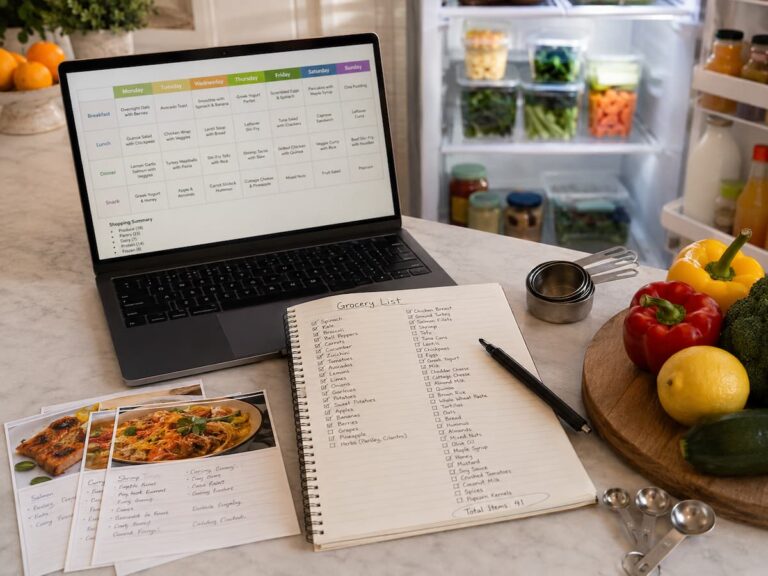
- Choose a planning tool: Use an app or even a simple spreadsheet to track ingredients.
- Plan meals: Select recipes that use existing items, paying attention to expiration dates.
- Shop smartly: Create a shopping list based on planned meals and current inventory.
- Review and adjust: After a week, note what worked and what didn’t, and refine your algorithmic plan.
Even a small family can reduce weekly waste by a noticeable margin using these steps. For larger households or restaurants, integrating more sophisticated predictive models can scale these benefits further.
Real-Life Examples
Several businesses and households have successfully used algorithms to cut down food waste. Grocery chains have implemented AI-driven inventory management, reducing spoilage by predicting which products will sell quickly. Meal kit companies tailor portions precisely to subscriber habits, leaving almost no food unused. Even at home, families who track consumption and adjust meals based on algorithmic suggestions report lower grocery bills and less food in the trash.
For instance, one household reported that using a smart meal planning app reduced their monthly food waste by 30%, while also saving $75 on groceries. Over a year, this adds up to significant savings and environmental benefits.
Future of Smart Meal Prep
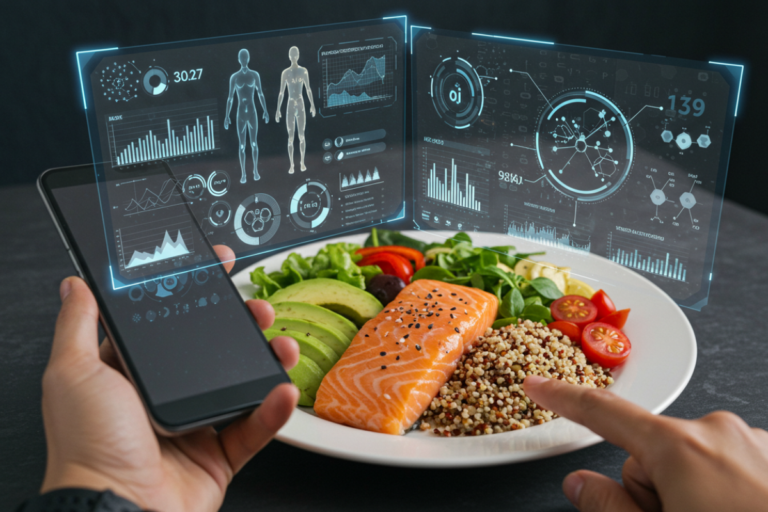
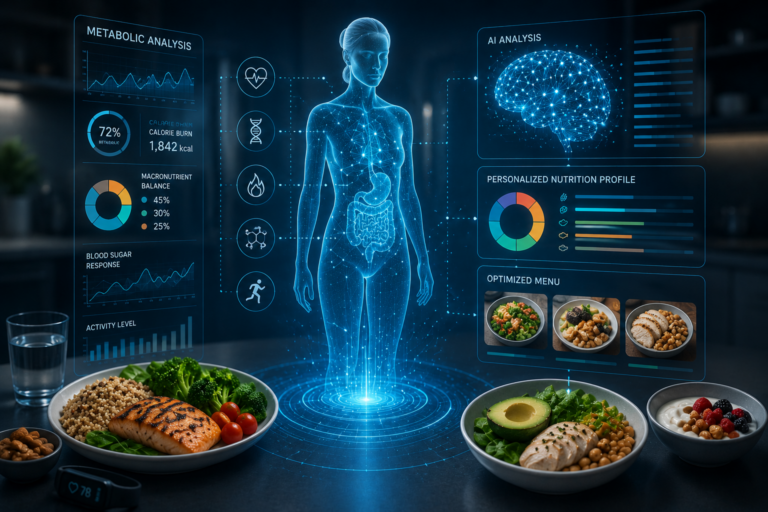
The future of meal prep is closely tied to advances in AI and smart kitchen technology. Fridges that track ingredients, sensors that detect spoilage, and apps that integrate with wearable devices will make meal planning more precise than ever. Predictive models may even suggest meals based on nutritional needs, weather, or social events. As these systems become more intuitive and affordable, smart meal prep will likely become a standard part of sustainable living.
Conclusion
Smart meal prep, powered by algorithms, is a practical solution to the persistent problem of food waste. By leveraging technology, households and businesses can plan more efficiently, reduce unnecessary purchases, and create healthier, more sustainable eating habits. While challenges exist, the benefits—cost savings, environmental impact, and convenience—make it a worthwhile investment. The key is starting small, tracking habits, and gradually integrating digital tools that enhance, rather than replace, human decision-making. Reducing food waste is not just a trend; it’s a smart, responsible choice for the future.
FAQs
1. What is smart meal prep?
Smart meal prep is a data-driven approach to planning meals efficiently, using algorithms to minimize food waste, suggest recipes, and optimize shopping.
2. Can algorithms really reduce household food waste?
Yes. Algorithms can track ingredients, predict expiration, and suggest meals to use food efficiently, significantly lowering waste.
3. Do I need a fancy app for smart meal prep?
No. You can start with simple inventory tracking, spreadsheets, or basic meal planning apps. Advanced apps help scale the process and provide more precise recommendations.
4. Is smart meal prep suitable for families?
Absolutely. Families often have unpredictable eating patterns, and algorithmic suggestions help plan meals, reduce leftovers, and save money.
5. How much food waste can I realistically prevent?
Households have reported reducing weekly food waste by 20–40% using smart meal prep techniques, depending on consistency and tool usage.
6. Are there environmental benefits to smart meal prep?
Yes. By reducing food waste, smart meal prep conserves water, energy, and resources used in food production while lowering greenhouse gas emissions from landfills.

Ethan Caldwell is a wellness technology researcher and lifestyle writer focused on the intersection of health, innovation, and everyday wellbeing. He specializes in topics such as fitness technology, sleep optimization, AI-powered nutrition, workplace wellness, and mental health strategies. Through extensive research and analysis of emerging health trends, Ethan creates practical, easy-to-understand content designed to help readers make informed decisions and build healthier daily habits. His goal is to translate complex wellness concepts into actionable guidance for modern living.