The biggest mistake is trying to fix poor sleep with extreme measures. Sleeping until late afternoon, drinking caffeine all day, skipping meals, or taking a long evening nap can create another difficult night. A better approach is to support your normal body clock while using a few carefully timed tools to manage daytime tiredness. This guide explains practical ways to recover after a bad night of sleep, what commonly makes the problem worse, when a nap can help, how to use caffeine wisely, and when repeated poor sleep deserves professional attention.
Start the Day Without Trying to “Make Up” Everything at Once
After a poor night, it is tempting to treat the morning as an emergency. You may want to stay in bed for several extra hours, cancel every activity, drink a large amount of coffee, and promise yourself that you will somehow catch up later. A calmer approach usually works better. Adults generally need around seven to nine hours of sleep, although individual needs vary. When you sleep less than you need, you can experience sleepiness, slower reactions, trouble concentrating, and reduced productivity. The goal after one bad night is not to become perfectly energetic within an hour. It is to get through the day safely while giving your body a good opportunity to sleep normally the following night.
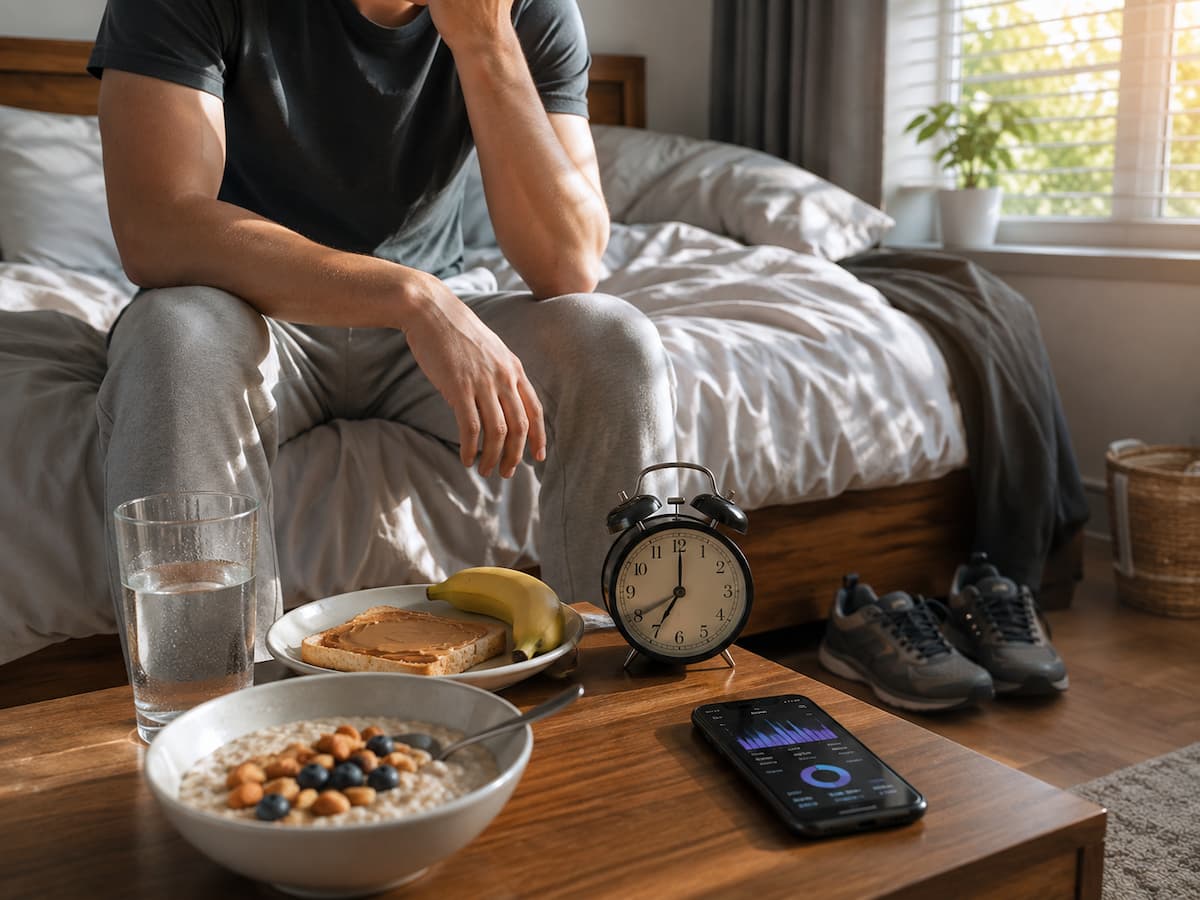
Start by getting up at a reasonably normal time rather than dramatically shifting your schedule. Open the curtains, wash your face, drink some water, eat a normal breakfast if you are hungry, and decide which tasks genuinely require your best concentration. If possible, move demanding work away from the time when you feel most tired. This simple adjustment can prevent a tired morning from becoming a stressful day.
Use Morning Light to Help Your Body Clock
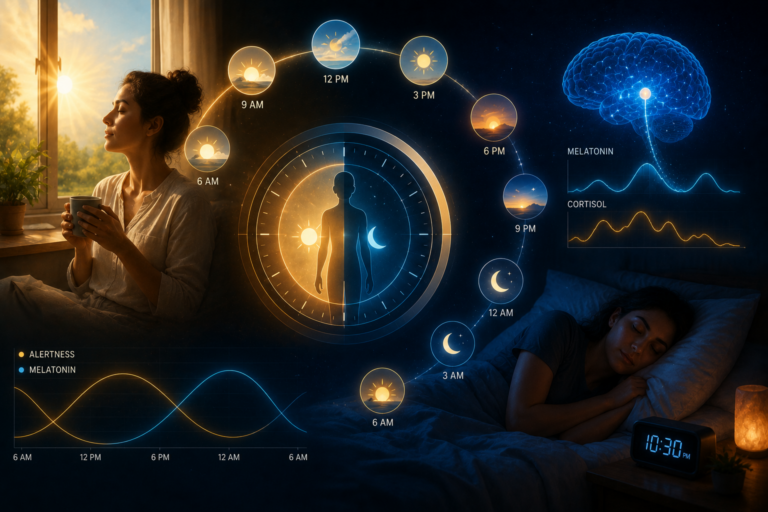
Light is one of the strongest environmental signals affecting your sleep-wake rhythm. Your internal body clock follows roughly a 24-hour cycle and responds to cues such as light, darkness, and daily routines. After a poor night’s sleep, spending some time outdoors during the day can help reinforce the difference between daytime and nighttime. You do not need a complicated routine. A short walk outside, sitting near a bright window, or having breakfast somewhere with natural light can be an easy way to make daytime feel like daytime.
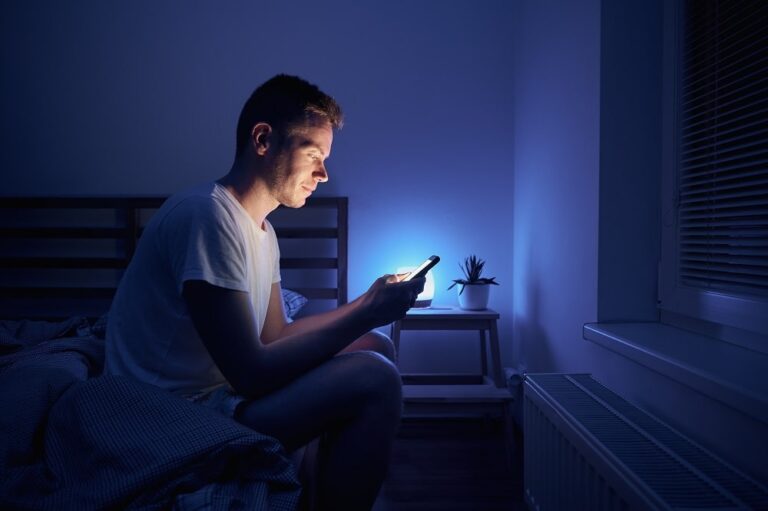
This matters because one bad night can create a desire to remain in dark, quiet spaces all day. While rest is useful, completely reversing your normal pattern can make it harder to feel sleepy at your usual bedtime. Bright artificial light late in the evening can also work against your wind-down routine. The practical idea is simple: seek normal daytime light when you are awake and create a darker, calmer environment as bedtime approaches.
| Part of the Day | Helpful Approach | Why It Matters |
|---|---|---|
| Morning | Get daylight when possible. | Provides a strong daytime cue for the body clock |
| Afternoon | Stay normally active. | Helps avoid turning the whole day into an extended nap |
| Evening | Dim bright lights and wind down | Supports the transition toward sleep |
Eat and Drink Normally
A tired morning can make basic habits feel unimportant. Some people skip breakfast because they are too tired, while others reach for sugary snacks because they want quick energy. Neither response is necessary for an ordinary bad night. Your body still needs regular food and fluids, and keeping meals reasonably normal can make the day feel more stable. Choose meals that you normally tolerate well rather than experimenting with extreme diets or large amounts of sugar.
Hydration is also worth remembering, especially if you have been awake for much of the night or have been physically active. Water is a simple choice, but you do not need to force yourself to drink excessive amounts. The same principle applies to alcohol: using it as a way to relax after a bad night is unlikely to solve the underlying sleep problem. Alcohol can affect sleep quality, so it is better not to rely on it as a recovery strategy.
A useful rule is to keep your meals boringly normal. A balanced breakfast, regular lunch, and ordinary evening meal are often more helpful than constantly trying to manipulate your energy level with snacks and drinks.
Use Caffeine Strategically
Caffeine can temporarily increase alertness, which makes it attractive after a poor night. The problem begins when caffeine becomes an all-day rescue plan. Caffeine is a stimulant, and its effects can last for hours. The National Heart, Lung, and Blood Institute notes that caffeine can interfere with sleep and that its effects may last up to eight hours in some people. That means a late-afternoon coffee can potentially make the next night harder, creating another tired morning.
If you normally drink coffee or tea, there is no need to panic about having your usual morning drink simply because you slept badly. The smarter approach is to pay attention to timing and quantity. Avoid repeatedly adding more caffeine every time your energy drops. If you know that caffeine affects your sleep strongly, give yourself an even larger gap between your last caffeinated drink and bedtime.
| Strategy | Potential Advantage | Potential Problem |
|---|---|---|
| Normal morning caffeine | May improve alertness temporarily | Too much may cause jitters or interfere with later sleep. |
| Repeated caffeine all day | Can provide repeated short-term stimulation | May push sleep later or make sleep more difficult |
| Late-day caffeine | May help with evening alertness | Can work against nighttime recovery |
Know When a Nap Helps
A nap can be useful after a bad night, but timing and length matter. A long nap can leave you groggy after waking and may reduce your sleepiness at bedtime. For adults, the NHLBI recommends keeping naps to no more than about 20 minutes, particularly when nighttime sleep is already a problem. An early afternoon nap is generally more practical than a late-evening nap because it is less likely to interfere with the next sleep period.
Imagine you slept poorly and became extremely sleepy after lunch. Instead of lying down for two or three hours, you could set an alarm for a short nap and then return to your normal day. If you are someone who consistently has trouble falling asleep at night, skipping the nap may be better. There is no universal rule that says every exhausted person needs a nap.
When to skip the nap
If you are already struggling with nighttime sleep, frequently nap for long periods, or find that naps leave you awake late at night, use caution. The goal is to protect tonight’s sleep rather than simply borrowing energy from tomorrow.
Use Gentle Movement Instead of Pushing Too Hard
Feeling exhausted can make exercise seem impossible, but complete inactivity is not always the best response. Normal daytime movement can help you stay engaged and may support healthier sleep habits. A relaxed walk, light household activity, stretching, or an easy routine can be enough. You do not need to turn a poor night’s sleep into a punishing workout session.
If you regularly exercise, consider lowering the intensity when you feel unusually tired. Heavy training requires attention, coordination, and physical effort, all of which may be harder when you are sleep deprived. The same applies to activities where a mistake could cause injury. On a recovery day, the objective is to keep your body moving without creating another source of stress.
Protect Your Focus and Safety
One of the most overlooked parts of recovering from poor sleep is recognizing when tiredness becomes a safety issue. Sleep deficiency can affect concentration, reaction time, learning, decision-making, and performance. This matters at work, at home, and especially behind the wheel. If you find yourself fighting to keep your eyes open while driving or doing another safety-sensitive activity, caffeine should not be treated as a guarantee that you are safe.
On a tired day, organize your responsibilities around the level of alertness you actually have. Double-check important information before sending it. Give yourself more time for tasks that require precision. Take sensible breaks rather than staring at a screen for hours while your attention fades. If possible, postpone nonessential high-risk activities until you are properly rested.
This is not about being dramatic after one poor night. It is about respecting what tiredness can do to your attention. A person who is physically capable of driving is not automatically sufficiently alert to drive safely.
Handle the Afternoon Energy Dip
The afternoon can be the hardest part of the day after poor sleep. The initial effect of your morning routine has worn off, your natural daily rhythm may encourage some sleepiness, and the temptation to reach for another large coffee can become strong. Before doing that, look at the basics. Have you eaten? Have you spent any time outside? Have you been sitting for several hours? Would a short walk or brief break help?
If you decide to nap, keep it short and reasonably early. If you choose not to nap, use a change of activity to prevent passive tiredness from taking over. Standing up, walking around the building, doing a simple household task, or working somewhere with natural light can provide a useful reset without pushing bedtime later.
The important distinction is between managing temporary sleepiness and trying to eliminate every sensation of tiredness. After a bad night, some tiredness is expected. The goal is to manage it sensibly until your next proper sleep opportunity.
Prepare for a Better Night
The evening is where recovery becomes most important. It can be tempting to go to bed dramatically early because you are exhausted. Sometimes that works, but forcing yourself into bed hours before you are ready can also result in a long period of lying awake. A better strategy is to begin winding down at a reasonable time and give yourself enough opportunity for sleep.
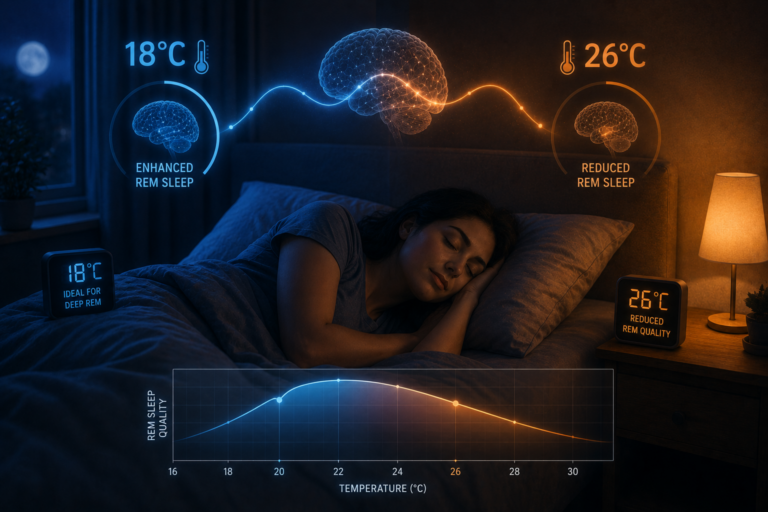
Keep the bedroom quiet, cool, and dark if those conditions are comfortable for you. Reduce bright light and stimulating activities as bedtime approaches. Avoid a large meal close to bedtime, and be cautious with caffeine. A quiet routine such as reading, taking a warm bath, listening to calm music, or practicing a relaxation technique can help create a clear transition from daytime activity to sleep.
Most importantly, do not turn bedtime into a test. Telling yourself, “I must fall asleep immediately or tomorrow will be terrible,” can create unnecessary pressure. If you are awake for a prolonged period, a quiet activity outside the bed may be more useful than repeatedly checking the clock. The NHS recommends avoiding the effort to force sleep and returning to bed when you feel sleepy.
Avoid Recovery Mistakes That Backfire
Many recovery strategies fail because they solve today’s tiredness by creating tomorrow’s sleep problem. One common example is sleeping until very late after a poor night. Another is taking a long nap in the evening and then wondering why bedtime becomes difficult. Excessive caffeine is another trap because it can make you feel temporarily more capable while potentially interfering with the next night’s sleep.
It is also easy to overcorrect with exercise, food, or supplements. There is no need for an extreme “reset” after one bad night. Your body already has systems that regulate sleep and wakefulness. The more useful approach is to give those systems consistent cues: normal wake time, daytime light, ordinary meals, sensible activity, controlled caffeine, and a calm evening.
| Common Reaction | Why It Can Backfire | Better Alternative |
|---|---|---|
| Sleeping until late afternoon | May shift your normal schedule | Keep your wake time reasonably consistent. |
| Several large coffees | May interfere with nighttime sleep | Use caffeine selectively and earlier. |
| Long evening nap | Can reduce sleepiness at bedtime | If needed, choose a short earlier nap. |
| Very hard workout | Can add physical strain when tired | Choose lighter movement. |
| Forcing yourself to sleep | Can make bedtime stressful | Use a quiet wind-down routine. |
Build a Simple Recovery Routine
You do not need a complicated sleep-recovery system. A simple routine is easier to remember when you are already tired. When you wake after a poor night, first decide whether you are safe to drive or perform tasks that demand high alertness. Then expose yourself to normal daytime light, eat and drink normally, and continue with reasonable daily activity. If sleepiness becomes difficult to manage, consider a short early-afternoon nap rather than a long daytime sleep.
As evening approaches, stop trying to squeeze extra productivity out of the day. Reduce stimulation, avoid unnecessary late caffeine, and prepare the bedroom for sleep. Go to bed at a sensible time rather than turning recovery into a competition to see how early you can fall asleep.
A practical one-day recovery checklist
- Get up at a reasonably normal time.
- Get some daylight during the morning or early day.
- Eat regular meals and drink normally.
- Use caffeine carefully rather than continuously.
- Keep physical activity light to moderate if you feel exhausted.
- Consider a short early-afternoon nap if you genuinely need one.
- Take extra care with driving and other safety-sensitive tasks.
- Start winding down before bedtime.
- Protect the next night’s sleep instead of trying to stay awake through exhaustion.
Know When Poor Sleep Needs More Attention
One bad night is common and usually does not require medical investigation by itself. The situation is different when poor sleep becomes a pattern or daytime tiredness begins interfering with ordinary life. Persistent sleep problems can have many causes, including stress, schedule changes, medications, sleep disorders, and other health issues. If you regularly wake feeling unrefreshed, frequently struggle to stay awake during the day, or have ongoing difficulty falling or staying asleep, it is worth discussing the pattern with a healthcare professional.
Pay particular attention to symptoms such as loud frequent snoring, waking up gasping or choking, unexplained ongoing fatigue, or repeatedly falling asleep during routine activities. These signs can point to an underlying sleep problem rather than simply a few late nights. Keeping a simple sleep diary for a couple of weeks can also help you describe your pattern clearly. Record bedtime, wake time, nighttime awakenings, naps, caffeine, and how alert you felt during the day.
Important: If you are dangerously sleepy, especially while driving, stop the activity and find a safe way to rest or arrange alternative transportation. Do not assume that a quick caffeine fix makes severe sleepiness safe.
Conclusion
A bad night of sleep does not have to ruin the entire following day. The most useful response is usually steady rather than extreme. Get up at a reasonable time, seek normal daytime light, eat and drink normally, use caffeine with care, stay gently active, and consider a short early nap if you genuinely need one. Most importantly, protect the next night’s sleep instead of trying to force your body through the day with stimulants or long naps.
It is also important to recognize the difference between an occasional rough night and a recurring sleep problem. If poor sleep repeatedly affects your concentration, safety, mood, or daily responsibilities, the answer may not be another recovery trick. It may be time to look for the reason your sleep is being disrupted. For an occasional bad night, however, simple routines and sensible choices can help you get through the day and return to a healthier sleep pattern.
Ethan Caldwell is a wellness technology researcher and lifestyle writer focused on the intersection of health, innovation, and everyday wellbeing. He specializes in topics such as fitness technology, sleep optimization, AI-powered nutrition, workplace wellness, and mental health strategies. Through extensive research and analysis of emerging health trends, Ethan creates practical, easy-to-understand content designed to help readers make informed decisions and build healthier daily habits. His goal is to translate complex wellness concepts into actionable guidance for modern living.