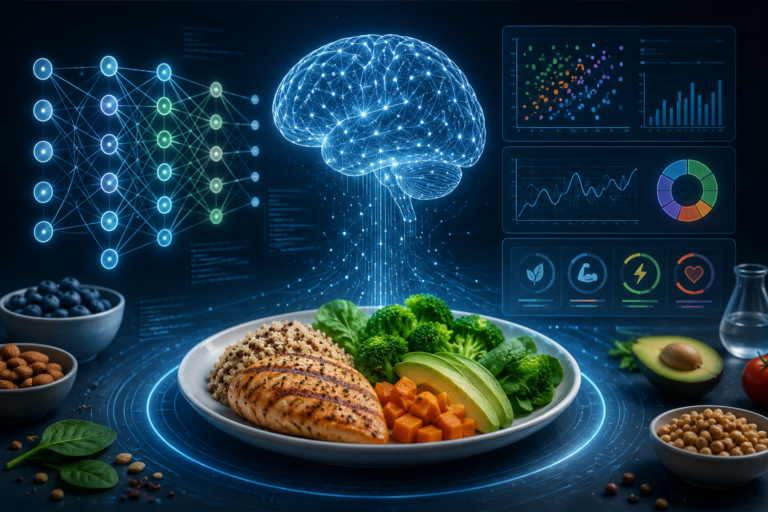

Budget-friendly meal planning with predictive AI technologies may make cooking less stressful, especially when supermarket costs change and hectic weeks make planning difficult. The premise is simple: use a smart program to plan meals based on what you have, what your family enjoys, and your budget. Instead of guessing what to cook each day, get meal ideas, shopping tips, and ways to use leftovers before they go bad. This does not imply you must follow every recommendation. Like a kitchen companion who spots trends, predictive AI technologies help. The gadget may recommend meals using rice, eggs, beans, pasta, or frozen veggies if you buy them regularly. Save time, decrease waste, and avoid last-minute takeout. This planning can convert inexpensive items into economical, weekly dinners with a little effort.
Why Many Families Find Meal Planning Difficult
Real life makes meal planning difficult. You may have a terrific week until work is late, someone dislikes the dish, or you forget an item. As the food in the fridge is pushed back, the same dilemma arises: what shall we eat tonight? Tired or harried shoppers sometimes purchase without a strategy. They buy helpful goods that may not make meals. Budget-friendly meal planning helps here. It simplifies your week before it becomes busy. Predictive AI techniques can help you create meals around your routines to clarify that form. Best of all, no fancy ingredients are needed. Rice bowls, soups, sandwiches, spaghetti, wraps, omelets, and sheet-pan dinners are options. A strategy need not be flawless. Just make meals easier than guessing.
What AI Predictors Do
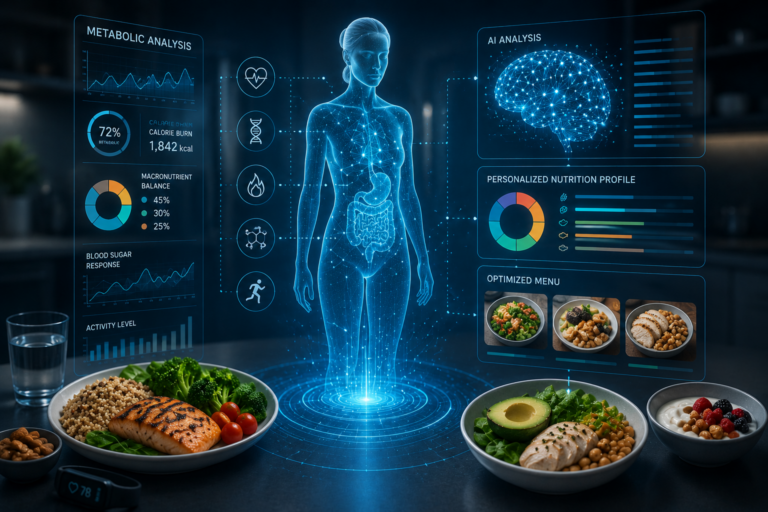
Predictive AI technologies leverage your data to create predictions. Meal planning may cover your budget, favored ingredients, preparation time, family size, and avoidable foods. Some gadgets can learn from your prior selections. If you usually eat fast throughout the week and slow on weekends, the tool may recommend that again. If you enter chicken, potatoes, carrots, and rice, it may propose many meals. This makes budget-friendly meal planning with predictive AI more personal than recipe searching. Instead of skimming through pages of dishes that may not fit your kitchen, you receive customized options. You should still use your own judgment. A tool may propose something good but not your taste, time, or local costs. Cooking is still your job, and the gadget helps.
Starting With What You Already Have
Starting with kitchen food is the easiest way to save money. Check your fridge, freezer, and pantry before cooking. Half a bag of pasta, canned tomatoes, frozen peas, lentils, tortillas, and eggs may be found. If you plan around them, these simple products may make multiple dinners. Predictive AI can generate meal ideas from random items. If you add rice, canned beans, salsa, and eggs, the tool may propose rice bowls, breakfast burritos, or skillet meals. Reduces redundant purchases with this budget-friendly meal planning. It also alerts you about expiring food. People lose money by forgetting what they bought, not by buying too much. A fast kitchen inspection and wise ideas may shorten, clean, and simplify your grocery list.
Weekly Planning That Feels Real
A solid food plan fits your real week, not an ideal one that never happens. If Tuesday is often hectic, don’t cook a dinner that requires chopping, baking, and many pans. Match meals to your schedule using predictive AI. Request fast dinners for work evenings, slow cooker meals for long days, or leftover sandwiches. Budget-friendly meal planning is more likely to stay since it respects your energies. A reasonable weekly schedule may include a couple prepared dinners, one leftover night, one breakfast-for-dinner night, and one pantry-based meal. Different recipes aren’t needed daily. Meal repetition is natural and useful. Include noodles, rice bowls, and soup if your family enjoys them. No one should be impressed. Eating healthily, spending prudently, and making the week smoother are the goals.
Choosing Cheap, Stretchy Ingredients
Certain foods are ideal for budget-friendly meal planning since they may be used in several meals. Examples include rice, oats, beans, lentils, pasta, potatoes, eggs, carrots, cabbage, frozen veggies, canned tomatoes, and basic breads. Flexible, filling, and flavorful, these meals are versatile. Predictive AI can offer methods to reuse ingredients without boring meals. A pot of rice may be stir-fried, souped, or bowled throughout the week. Beans go in tacos, salads, soups, and wraps. Breakfast hash, baked potatoes, and sides are potato dishes. Planning this approach gives each shopping item a purpose. Food is not bought for its appearance. It fits several meals, so you buy it. This simple practice may tidy your kitchen and reduce shopping stress.
Use Leftovers Without Boredom
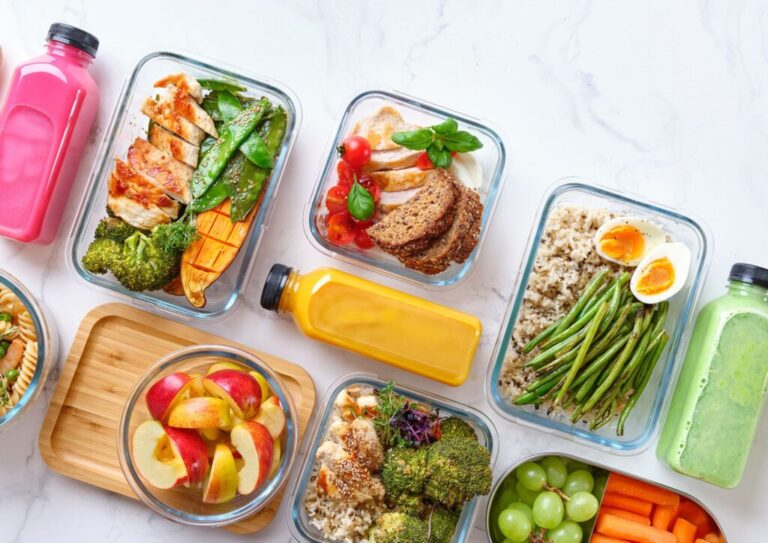
Budget-friendly meal planning works best when leftovers are repurposed in ways people still want to eat. Three days of the same food might be boring. Predictive AI can make leftovers seem fresh. Chicken may be roasted for soup, sandwiches, rice bowls, or spaghetti. Make omelets, wraps, or fried rice with cooked veggies. Make a dip, taco filler, or fast stew with extra beans. The key is to prepare for leftovers. To use surplus rice from Monday, ask the tool for two more rice-based dinners later in the week. This makes more food a solution. Part of the following meal is already cooked, saving preparation time. Leftovers don’t have to be inferior. They may be the easiest dinners of the week with some imagination.
Smartening Grocery Lists
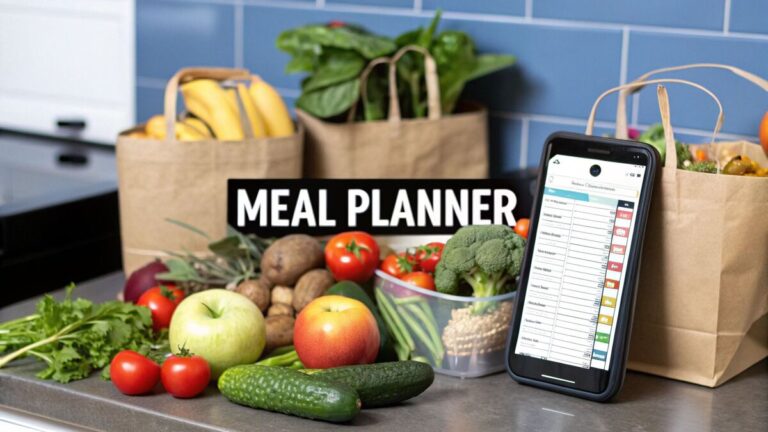
A meal plan, not recollection, makes the finest grocery list. Standing at the store writing a list makes it easier to forget vital products and acquire unnecessary items. Predictive AI can simplify your meal plan into a shopping list. Some tools categorize fruit, cereals, dairy, frozen goods, and pantry essentials. Shopping may be faster and calmer. Checking your kitchen before adding anything helps with budget-friendly meal preparation. If the tool offers pasta but you have two boxes, delete it. If it proposes an expensive ingredient, request a cheaper one. One dinner may have canned beans instead of meat, frozen veggies instead of fresh ones, or plain yogurt instead of a sauce. A smarter list focuses your cart. Also, it simplifies cooking your strategy.
Keeping Meals Easy and Fun
People repeat simple meals. Good food doesn’t require many processes. It must taste good, fill you up, and fit your day. Budget-friendly meal planning works best with dishes you like. Predictive AI technologies might inspire you, but keep your preferences in mind. Use tacos, spaghetti, soups, baked potatoes, or rice bowls as anchors if your family likes them. To stay fresh, switch fillings, sauces, and sides. Knowing the fundamental procedure makes cooking easier. You may even ask the gadget to recommend simpler or faster meals. This helps when you’re fatigued or feeding finicky eaters. Best meal plan isn’t the most fascinating on paper. You can follow it without becoming overwhelmed.
Avoiding Common AI Meal Planning Mistakes
Although imperfect, predictive AI techniques are valuable. Accepting any recommendation without considering your budget, shop, or cooking abilities is a typical error. A tool may recommend an expensive or scarce substance. Planning too many new recipes in one week is another problem. While exciting, new foods need more concentration. For budget-friendly meal planning, blend classic dishes with one or two novel ideas. Check portion sizes too. A dinner that feeds four may be too much or not enough for your family. Adjust the plan to your requirements. Consider keeping spaghetti with sauce, eggs and toast, or rice and beans at home as a backup dinner. Changes in plans are typical. The gadget should simplify life, not bind you to a flawless schedule.
Personalizing Your Meal Plan Over Time
Paying attention to what works improves your food plan. Reflect on easy, popular, and underutilized meals and ingredients after each week. Ask a predictive AI tool to develop future strategies around what works. Over time, budget-friendly meal planning becomes more customized. You may discover that soup makes good lunches, oats make morning easy, or Friday demands a simple supper. These minor lessons count. They help you avoid errors and create a home-friendly rhythm. You may bookmark favorite prompts or meal ideas to avoid starting over every week. Your strategy may evolve into flexible patterns rather than a menu. This is good. A good meal plan allows for fluctuations, desires, and hectic days.
Teaching Kids and Beginners Meal Planning
Cheap meal planning using predictive AI technologies can teach youngsters, teenagers, and rookie cooks how food choices relate. Instead of just saying “supper,” explain how one bag of rice, carton of eggs, or pack of veggies may feed multiple people. This teaches inexperienced cooks that meals are made of simple ingredients. Predictive technologies can simplify learning by explaining concepts in straightforward words. Beginners can request five-ingredient, no-oven, or easy cleanup dishes. Kids can select between two meals or propose a favorite component. This provides them a minor role without complicating things. It may also make them want to consume the dish because they helped cook it. Food planning is a life skill that doesn’t have to be hard. Start with one easy supper suggestion.
Making a Flexible Pantry for Easy Weeks
A versatile pantry simplifies budget-friendly meal planning. Not overstocking your shelves with food. It implies maintaining a few staples that can make several meals. Even when plans change, pasta, rice, oats, canned beans, tomatoes, broth, seasonings, flour tortillas, peanut butter, and frozen veggies may help you cook. When you don’t want to buy or the week is busy, predictive AI can recommend these simple meal ideas. Buying pantry products you use is crucial. A shelf of unappealing food doesn’t save money. Build around your regular meals. Keep sauce ingredients handy if you prepare pasta regularly. For rice bowls, stock up on rice, beans, and frozen veggies. A versatile pantry provides space. It enables easy dinners on busy days and prevents frantic purchasing.
Balance Variety and Routine
Many people assume a meal plan must be varied, but too much variation makes buying and cooking tougher. Helping your week go smoothly makes routine fun. When you mix familiar dishes with minimal alterations, budget-friendly meal planning works best. Predictive AI may offer variations on a simple meal. One day a rice bowl can have beans, the next chicken, or roasted veggies. Tomato sauce, garlic sauce, or leftover veggies can be used in pasta. Soup changes with fridge contents. This provides diversity without requiring a fresh dish every night. A steady routine also helps you learn how much food your home really uses. Shopping becomes simpler with time. A mild meal pattern lets you enjoy rather than decide. Food does not have to be complicated to feel satisfying.
Meal Planning for Busy Days
Busy days determine meal planning success or failure. If you need plenty of time every night, your strategy may fail. Affordable meal plans should reflect your worst days. Predictive AI can propose fast dinners, make-ahead lunches, and leftover meals to fit your schedule. On busy nights, simple meals are not a failure. Eggs with toast, bean quesadillas, spaghetti with veggies, baked potatoes, or leftover soup are adequate. Small elements like cleaning veggies, cooking rice, and creating a sauce may be done ahead. Small measures like these can make supper simpler later. It helps to use the tool honestly. Say you only have 20 minutes, one pan, or little energy. Clearer information improves ideas. A plan for busy days is more beneficial than one for peaceful days.
Food Waste Reduction Through Better Predictions
Food waste is frequently silent. Some vegetables soften, herbs wilt, leftovers are neglected, or bread is stale. Over time, this can add up. By reminding you to utilize perishable ingredients first, predictive AI may help you plan budget-friendly meals. If you enter your fridge contents, the application can recommend meals before they expire. It helps design recipes that use the same product differently. Eggs, spaghetti, soup, and wraps can contain spinach. Bread can become sandwiches, toast, croutons, or a simple breakfast. This planning makes food feel more valuable since each thing is purposeful. You may also buy less fresh food and more frozen or shelf-stable things when needed. Reduce waste without being flawless. Notice what you have and use it carefully. Even small changes can make the kitchen feel calmer.

Ethan Caldwell is a wellness technology researcher and lifestyle writer focused on the intersection of health, innovation, and everyday wellbeing. He specializes in topics such as fitness technology, sleep optimization, AI-powered nutrition, workplace wellness, and mental health strategies. Through extensive research and analysis of emerging health trends, Ethan creates practical, easy-to-understand content designed to help readers make informed decisions and build healthier daily habits. His goal is to translate complex wellness concepts into actionable guidance for modern living.