
Last Updated: June 2026 | Reading Time: 9 minutes
Social media platforms are not neutral communication tools. They are engineered systems designed to maximize engagement, and the mechanism driving that engagement has direct, measurable effects on your emotional state. The algorithmic curation of content you see, the timing of notifications you receive, and the feedback loops you enter are all optimized for platform retention, not your psychological well-being. Understanding how these systems operate is the first step toward reclaiming mood stability in a digitally saturated environment.
This article examines the specific mechanisms by which social media algorithms influence mood patterns, reviews the relevant research, and provides actionable strategies for mitigation.
The Architecture of Algorithmic Engagement
Social media algorithms are recommendation systems that predict which content will keep you interacting with the platform the longest. They do not optimize for information quality, social connection, or emotional health. They optimize for engagement metrics: clicks, likes, shares, comments, and time on platform.
The core techniques include:
- Variable reward scheduling: Notifications and content delivery follow unpredictable patterns, similar to slot machine mechanics. This creates anticipatory anxiety and compulsive checking behavior.
- Personalization based on emotional response: Content that provokes strong reactions, whether positive or negative, receives algorithmic amplification. Outrage and envy drive engagement as effectively as joy.
- Infinite scroll and autoplay: Removing natural stopping points prevents conscious disengagement decisions. The default becomes continued consumption.
- Social comparison metrics: Visible counts of likes, followers, and views transform social interaction into quantified performance evaluation.
These features are not incidental design choices. They are the product of deliberate engineering informed by behavioral psychology research.
Dopamine Dynamics and Mood Instability
The neurotransmitter dopamine plays a central role in reward anticipation and motivation. Social media algorithms exploit dopaminergic pathways through intermittent reinforcement. Each notification, like, or comment delivers a micro-dose of dopamine, but the unpredictability of these rewards is what sustains the behavior.
Research published in Nature Communications in 2021 demonstrated that social media feedback triggers dopamine release in the nucleus accumbens comparable to monetary rewards. However, the rapid cycling between anticipation, reward, and disappointment creates a pattern of mood instability. The baseline emotional state becomes dependent on external validation delivered through an algorithmic filter.
Over time, this pattern produces several measurable effects:
- Reward threshold elevation: Ordinary activities feel less satisfying because they lack the intensity and immediacy of algorithmic feedback.
- Anticipatory anxiety: The gap between posting content and receiving responses generates sustained low-grade stress.
- Post-reward crash: The dopamine peak is followed by a relative deficit, producing irritability, restlessness, and low mood.
These dynamics are not weakness or lack of discipline. They are predictable neurobiological responses to engineered stimuli.
Algorithmic Amplification of Negative Emotions
Negative emotions, particularly anger, fear, and moral outrage, generate higher engagement than neutral or positive content. Algorithms detect this pattern and amplify content that triggers these responses. The result is a systematic bias toward emotionally provocative material in individual feeds.
A 2022 study by researchers at New York University analyzed millions of social media posts and found that algorithmic curation increased the proportion of negative emotional content in user feeds by 30-40% compared to chronological or unfiltered presentation. Users exposed to algorithmically curated feeds reported higher levels of anxiety and lower life satisfaction after one week of use.
The mechanism operates through multiple channels:
Outrage Engagement Loops
Content expressing moral indignation receives disproportionate sharing and commenting. Algorithms interpret this engagement as interest and deliver similar content more frequently. Users enter feedback loops where their feed becomes increasingly polarized and emotionally charged. The mood effect is cumulative: sustained exposure to outrage content elevates baseline irritability and reduces tolerance for ambiguity or disagreement.
Envy and Social Comparison
Algorithmic presentation of curated life highlights, filtered images, and achievement announcements creates unrealistic comparison standards. Research in Computers in Human Behavior found that passive scrolling through others’ positive content produced envy and decreased self-esteem, while active posting and interaction did not. The algorithmic emphasis on consumption over creation amplifies this passive exposure.
Fear of Missing Out (FOMO)
Algorithmic highlighting of events, trends, and social gatherings that exclude the user triggers FOMO. This is not merely social disappointment. It activates the same neural circuits as physical exclusion and threat detection. Chronic FOMO correlates with sleep disruption, reduced concentration, and depressive symptoms.
The Attention Fragmentation Effect
Mood stability requires sustained attention. Algorithmic feeds are designed to fragment attention through rapid content switching, notifications, and multiple media formats competing simultaneously. The average user switches between content types every 3-4 seconds while scrolling.
Neuroscience research demonstrates that attention fragmentation has direct mood consequences:
- Reduced prefrontal cortex engagement: Constant switching prevents deep cognitive processing, reducing the sense of accomplishment and competence that supports positive mood.
- Elevated cortisol: The cognitive load of processing rapid, unpredictable information streams activates the HPA axis, increasing stress hormone levels.
- Impaired emotional regulation: Without sustained attention, the mind lacks the stability required to process and integrate emotional experiences. Unprocessed emotions accumulate and intensify.
A study from the University of Texas found that participants who engaged in uninterrupted reading for 30 minutes showed lower cortisol and higher positive affect compared to those who read in a social media-interrupted environment. The content was identical; the delivery mechanism determined the mood outcome.
Sleep Disruption and Mood Deterioration
Evening social media use compounds algorithmic mood effects through sleep disruption. Blue light exposure suppresses melatonin production, but the content itself is equally problematic. Algorithmically delivered evening content tends toward high-arousal material because engagement peaks during leisure hours. This material activates sympathetic nervous system responses precisely when parasympathetic dominance is needed for sleep onset.
The resulting sleep deprivation produces:
- Increased amygdala reactivity to negative stimuli
- Reduced prefrontal cortex capacity for emotional regulation
- Impaired serotonin synthesis, lowering mood baseline
- Heightened sensitivity to stressors of all types
These effects create a self-reinforcing cycle: poor sleep increases vulnerability to algorithmic mood manipulation, which increases evening engagement, which further degrades sleep.
Algorithmic Awareness: The First Intervention
Recognition that your mood is being systematically influenced is itself protective. Algorithmic awareness, the understanding that content presentation is engineered rather than organic, reduces the emotional impact of provocative material.
Implementation:
- Before engaging with any platform, remind yourself: “This content is selected to maximize my engagement, not to inform or support me.”
- When you notice strong emotional reactions to content, pause and identify the algorithmic intent. Was this designed to provoke exactly this response?
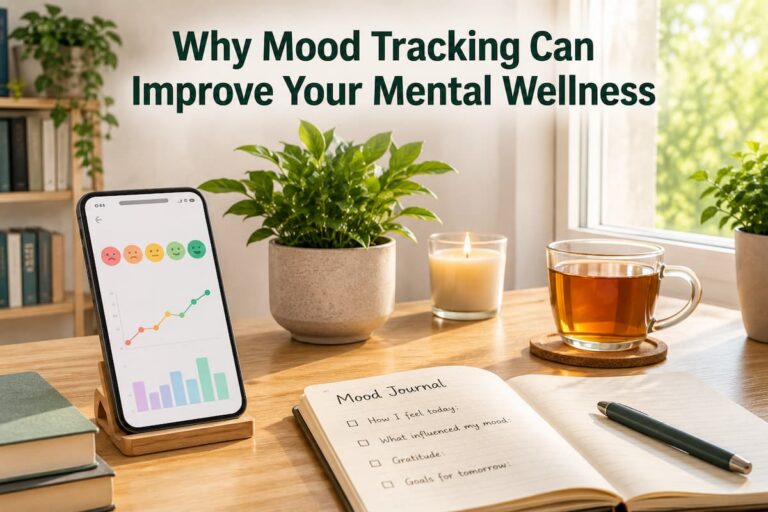
- Track your mood before and after sessions. Objective data builds awareness faster than subjective impression.
Structural Interventions for Mood Protection
Awareness alone is insufficient against engineered systems. Structural changes to how you interact with platforms are necessary.
Chronological Feed Restoration
Where platforms allow, switch to chronological presentation. This removes the algorithmic amplification of provocative content. On platforms without this option, use third-party apps or browser extensions that provide chronological access. The mood benefit is immediate and substantial.
Notification Elimination
Disable all non-essential notifications. Each notification is an algorithmic intrusion into your attentional space. For platforms you choose to retain, access them on your schedule rather than on theirs. Batch processing at designated times reduces the dopamine volatility that destabilizes mood.
Consumption-to-Creation Ratio
Shift your platform use from passive consumption to active creation. Posting, commenting meaningfully, and sharing original content engages different neural circuits than scrolling. Set a minimum ratio: for every 10 minutes of consumption, produce one piece of original content or engage in one substantive interaction. This ratio inverts the typical pattern and reduces comparison-based mood effects.
Platform Diversification
Relying on a single platform concentrates your exposure to one algorithmic logic. Using multiple platforms for different purposes dilutes this effect. However, be cautious: multiple platforms can also increase total screen time. The goal is intentional diversification, not expanded engagement.
Scheduled Disengagement Protocols
Periodic complete disengagement allows mood baseline restoration and reveals the extent of algorithmic influence.
Weekly 24-hour protocol:
- Select one day weekly for zero social media access.
- Remove apps from your device or log out completely to reduce friction.
- Plan alternative activities in advance to fill the void that compulsive checking leaves.
- Document mood, sleep quality, and attention span before, during, and after the disengagement period.
Research from the University of Bath found that even a one-week break from social media produced significant improvements in well-being, depression, and anxiety, with effects persisting after return to use for participants who maintained modified engagement patterns.
When Algorithmic Influence Becomes Pathological
Algorithmic mood effects exist on a spectrum. For most users, structural interventions and awareness are sufficient. For some, the interaction between platform design and individual vulnerability produces clinically significant symptoms.
Warning signs include:
- Inability to reduce use despite repeated attempts and negative consequences
- Mood states that are predominantly determined by platform interactions
- Social withdrawal in favor of online engagement
- Sleep disruption that persists despite evening disengagement
- Suicidal ideation or self-harm content seeking
These patterns may indicate social media addiction, depression, or anxiety disorders requiring professional intervention. Platform design exploits vulnerabilities; it does not create them from nothing. Pre-existing conditions may be amplified to clinical severity.
Related Articles
- Cognitive Behavioral Techniques You Can Practice Daily
- The Link Between Gut Health and Anxiety Disorders
- Digital Detox Strategies for Chronic Overthinkers
- Mindfulness Practices Backed by Neuroscience Research
- Sleep Hygiene’s Direct Impact on Emotional Regulation
- Journaling Methods That Reduce Stress Hormone Levels
- Boundary Setting: Protecting Mental Energy in Relationships
- Circadian Rhythm Hacking for Better Deep Sleep Cycles
References and Sources
- Meshi, D., Tamir, D. I., & Heekeren, H. R. (2015). The emerging neuroscience of social media. Trends in Cognitive Sciences, 19(12), 771-782. https://doi.org/10.1016/j.tics.2015.09.004
- Berridge, K. C., & Robinson, T. E. (2016). Liking, wanting, and the incentive-sensitization theory of addiction. American Psychologist, 71(8), 670-679.
- Rozgonjuk, D., et al. (2021). The association between problematic social media use, emotion regulation, and sleep. Psychiatry Research, 306, 114277.
- Vosoughi, S., Roy, D., & Aral, S. (2018). The spread of true and false news online. Science, 359(6380), 1146-1151.
- Appel, H., Gerlach, A. L., & Crusius, J. (2016). The interplay between Facebook use, social comparison, envy, and depression. Current Directions in Psychological Science, 25(2), 123-129.
- Primack, B. A., et al. (2017). Social media use and perceived social isolation among young adults in the U.S. American Journal of Preventive Medicine, 53(1), 1-8.
- Ward, A. F., Duke, K., Gneezy, A., & Bos, M. W. (2017). Brain drain: The mere presence of one’s own smartphone reduces available cognitive capacity. Journal of the Association for Consumer Research, 2(2), 140-154.
- Lambert, A., et al. (2022). Taking a one-week break from social media improves well-being, depression, and anxiety. Journal of Technology in Behavioral Science, 7(2), 198-204.
- American Psychological Association. (2023). Social Media and Mental Health: What the Research Shows. https://www.apa.org/topics/social-media-internet/health
Medical Disclaimer: This article is for informational purposes only and does not constitute medical advice. If you experience persistent mood disturbances or symptoms of depression, consult a qualified mental health professional.

Ethan Caldwell is a wellness technology researcher and lifestyle writer focused on the intersection of health, innovation, and everyday wellbeing. He specializes in topics such as fitness technology, sleep optimization, AI-powered nutrition, workplace wellness, and mental health strategies. Through extensive research and analysis of emerging health trends, Ethan creates practical, easy-to-understand content designed to help readers make informed decisions and build healthier daily habits. His goal is to translate complex wellness concepts into actionable guidance for modern living.