
In theory, fitness has never been easier, yet many people struggle to stick to their training schedules. Often, people fail to reach their fitness goals because they are too busy, gym costs are rising, they lack motivation, or they cannot locate a suitable trainer. Personal trainers have helped people solve these problems for years, but they are expensive and difficult to schedule.
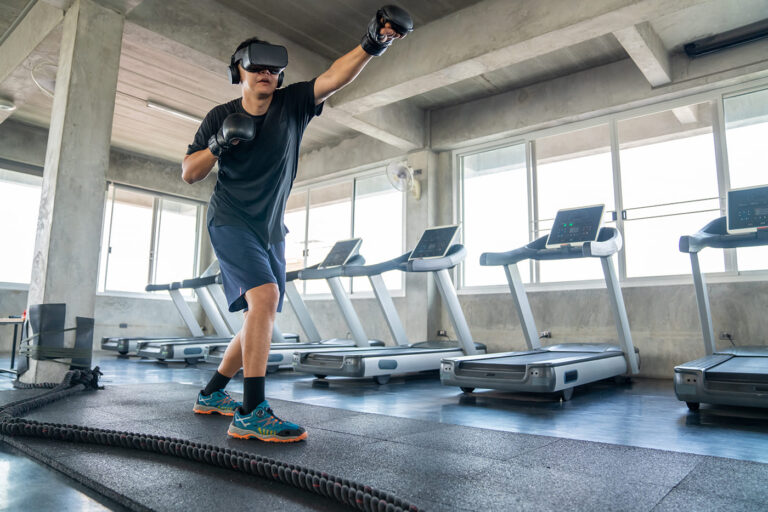
AI personal trainers have emerged to address these issues. By 2026, AI will transform the fitness industry, making it easier than ever to get personalized training advice. AI is helping millions of people train smarter through apps, smart home gyms, wearables, and virtual training platforms.
Despite the significant attention surrounding AI fitness technology, many questions remain unanswered. Can AI personal trainers truly replace real trainers? Are they suitable for beginners? What are the pros and cons? And, more importantly, is it wise to use them? This article reveals the truth about AI personal trainers in 2026. It explains how they work, what they do, and whether they are suitable for your fitness journey.
What is an AI Personal Trainer?
AI-powered digital fitness systems, similar to personal trainers, help you work out, track your progress, and provide personalized advice. Unlike traditional fitness apps that only offer workout videos, AI-driven fitness platforms analyze user data and adjust training schedules based on individual progress. To provide a more personalized experience, these systems learn your workout habits, fitness level, goals, and success factors.
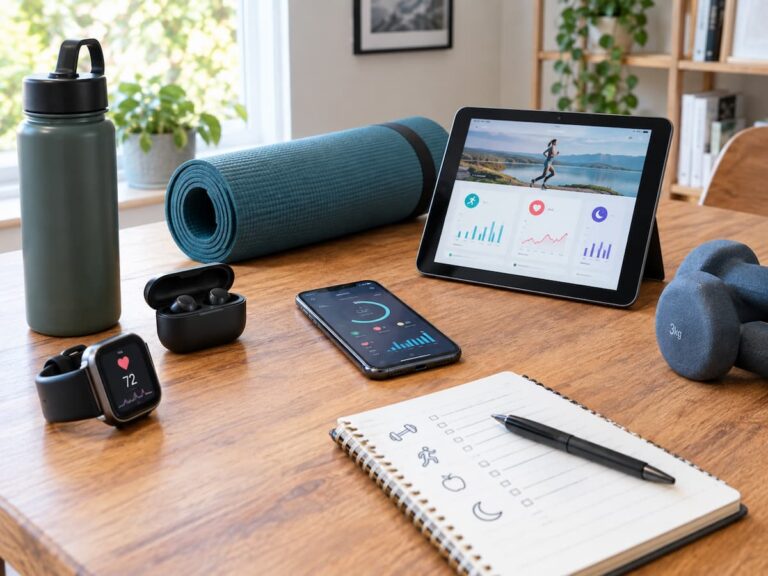
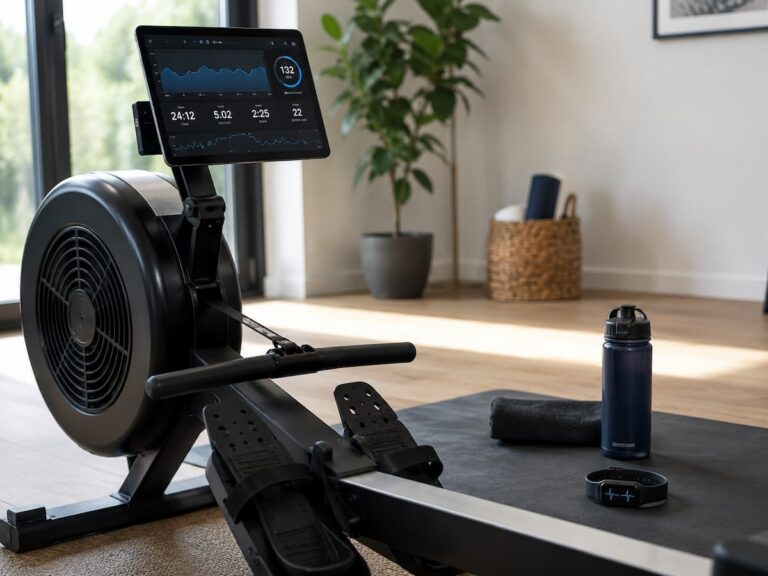
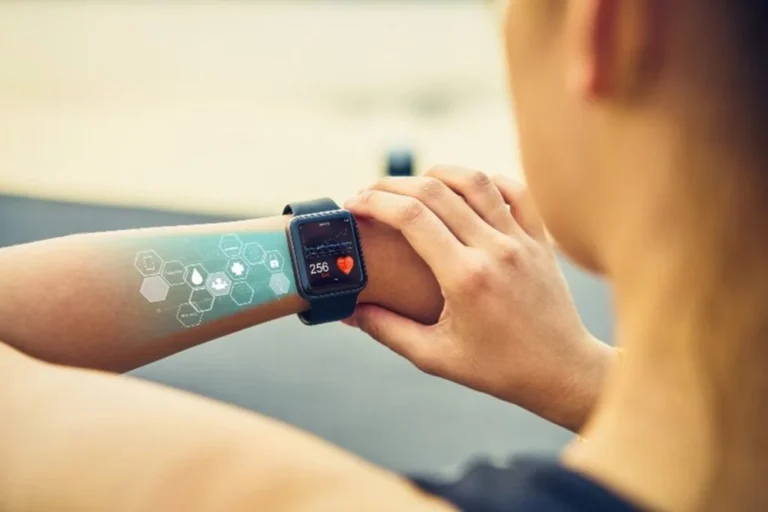
You can consult countless AI coaches via fitness screens, smart home fitness equipment, smartphone apps, and wearable fitness devices. Some systems use computer vision to analyze movement patterns, while others draw input from monitors and workout data. The goal is to provide personal guidance without the constant supervision of a human coach.
Why AI Fitness Coaching Is Growing So Quickly
Personal trainers using AI are so popular because they can address common fitness issues. A major advantage is convenience. Some people cannot afford to hire a professional coach every day. AI-based fitness apps offer advice at a lower price, making personal training guidance accessible to more people.
Another important factor is ease of use. Users have access to training schedules anytime, anywhere. Whether you work out at home, on the go, or during your lunch break, AI guidance is always available. Moreover, the technology is continuously improving. Nowadays, AI systems can process enormous amounts of health data and provide increasingly personalized recommendations that seem specifically tailored for you. This makes the user experience more appealing and practical than with previous fitness apps. As more people seek flexible fitness methods, AI guidance is gradually becoming an ideal alternative to traditional training methods.
How AI Personal Trainers Create Customized Workouts
Personalization is one of the most attractive aspects of AI training recommendations. Most traditional fitness plans aim to be suitable for everyone. However, AI personal trainers tailor their recommendations based on information from each user. When users sign up for an AI fitness platform, they can add information such as fitness goals, training preferences, available equipment, and training experience. The system then creates a training plan based on these factors.
After each workout, the AI analyzes the training data and adjusts future training recommendations accordingly. When a user consistently finishes workouts at a rapid pace, the system has the ability to gradually raise the difficulty level. If the difficulty level is too high, adjustments can be made immediately. This continuous adjustment makes workouts more personalized than many standard fitness programs.
Real-time Feedback is Changing Home Fitness
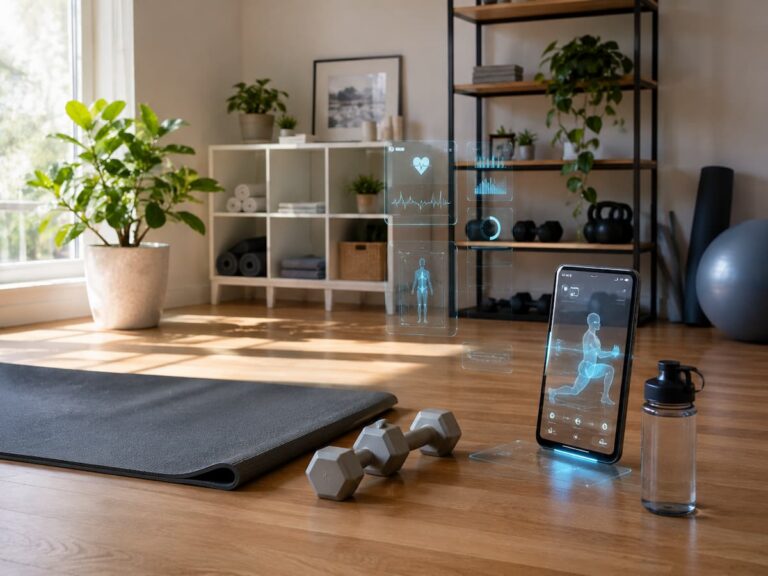
A problem with training alone is the lack of immediate feedback. Without help, it is difficult to determine if a workout is effective. Many AI-powered fitness apps now offer real-time feedback during exercise. These systems track your workouts using cameras, sensors, or smart technology and provide helpful suggestions.
For example, based on training data, an AI coach can suggest staying consistent, increasing the number of repetitions, or adjusting the intensity. Our current methods are not perfect, but they help bridge the gap between training alone and professional guidance. This feature makes home workouts more practical and gives users who prefer to exercise outside the gym more confidence.
AI Coaches Help Make Workouts More Consistent
Consistency is one of the most important factors for better health. Many people fail not because their workouts are ineffective, but because they stop exercising regularly. After the initial enthusiasm to start a fitness program, motivation often fades. AI-driven personal trainers can help with these challenges by setting goals, reminding you of training schedules, and providing personal support.
Seeing measurable progress is incredibly motivating. When we monitor and analyze user behavior, they often feel more responsible for their actions. Some platforms also offer game-like features, where users are rewarded for consistent workouts and achieving milestones. These benefits give users a sense of accomplishment and motivate them to keep exercising. Over time, this support can help develop sustainable, healthy habits.
Why AI-driven Fitness Coaching Saves Money
Traditional personal training is expensive, especially for people who require long-term guidance. AI-driven personal trainers offer a more affordable alternative. Many websites offer monthly subscriptions that are significantly cheaper than regularly going to a gym with a trainer.
Lower prices ensure that more people have access to personal fitness guidance without having to incur giant costs. For people who want to maintain discipline and accountability during their workouts but cannot afford a personal trainer, AI coaching is an effective option. AI fitness technology is very popular in the health and fitness industry, partly due to its affordability.
The Limitations of AI Personal Trainers
Although AI personal trainers have some advantages, they are not without flaws. One problem is that they cannot fully understand people’s feelings and individual circumstances. Human coaches, on the other hand, can recognize a client’s frustration, stress, lack of self-confidence, or life changes and adapt their training accordingly. AI systems rely heavily on data. Even if they can identify trends, they may not fully understand why users struggle to stay motivated or stick to a training routine.
The training method is also a problem. Some more advanced systems can analyze your movements, but they may not offer the detailed feedback that an experienced professional coach can provide. For those who are keen to learn specific skills, human knowledge still offers advantages that artificial intelligence cannot fully match. Once users understand these limitations, they can set realistic goals.
AI and Human Coaches Work Together
It is often thought that AI fitness technology will completely replace human coaches, but that is not the case. In fact, many fitness professionals use AI tools in their coaching. These technologies help automate workout tracking, monitoring progress, and adjusting training schedules. This allows coaches to focus more on providing personal guidance.
When human knowledge and AI work together, the overall experience is often better. AI handles daily tasks and data analysis, while human coaches motivate clients, ensure they stay motivated, assist with communication, and provide effective advice. For many, the future of fitness may not be an either-or choice but a combination of both.
Who Benefits Most from AI Personal Trainers?
Guys who are new to the fitness world or are already quite fit can benefit the most from AI fitness advice. AI systems are often very useful for people who need structure, accountability, and guidance during workouts. This technology helps dispel doubts and provides clear advice, making workouts easier.
Professionals who are often on the go appreciate AI guidance because it offers them the flexibility to schedule their workouts. People who enjoy working out at home often find AI-driven fitness apps very useful. These suggestion and tracking tools offer support normally only found in gyms. While advanced athletes may still require specialized training, many average fitness enthusiasts can make significant progress with the help of AI-driven personal trainers.
The Future Direction of AI Fitness Technology
AI-driven fitness guidance has a promising future. AI systems are becoming increasingly intelligent, personalized, and better able to understand how people use them. Wearable technology, motion tracking, and data analysis are constantly evolving, making digital instruction increasingly sophisticated.
In the future, AI coaches may be able to provide more personalized advice based on an individual’s health habits, training history, recovery patterns, and training preferences. Thanks to technological advancements, users can expect smarter training plans, more efficient performance analysis, and more personalized guidance. The goal is not only to track fitness activities but, above all, to provide people with useful information that enables them to make better choices regarding health and exercise.
Conclusion
An objective assessment of AI personal trainers in 2026 shows that they are not a miracle cure or a fleeting phenomenon. They are practical fitness tools that offer millions of users affordable, user-friendly, and personalized training advice. AI-driven fitness instructors excel at creating personalized training schedules, tracking progress, helping users maintain consistency in their training, and providing continuous fitness support. For this reason, AI personal trainers are a good option for users looking for flexible training programs.
However, AI still has some limitations. Human coaches can still offer mental support, expertise, and expert advice that machines cannot fully replicate. For most people, the best approach is not to choose between AI and human coaches, but to understand how each can help them achieve their long-term fitness goals. As technology continues to develop, AI-driven personal trainers will likely play an even more important role in the modern fitness industry.
Frequently Asked Questions

Ethan Caldwell is a wellness technology researcher and lifestyle writer focused on the intersection of health, innovation, and everyday wellbeing. He specializes in topics such as fitness technology, sleep optimization, AI-powered nutrition, workplace wellness, and mental health strategies. Through extensive research and analysis of emerging health trends, Ethan creates practical, easy-to-understand content designed to help readers make informed decisions and build healthier daily habits. His goal is to translate complex wellness concepts into actionable guidance for modern living.