Begin With an Empty Schedule
One of the easiest things a pair can do is spend some time together without doing anything. Sitting outside with a drink, walking slowly around the neighborhood, listening to music, or talking after dinner without phones are examples. Removing pressure to solve an issue or finish a task is valuable. Couples discuss schedules, shopping, finances, work, family, and household decisions for a reason. Unstructured time allows diverse interactions. Another individual may mention something intriguing from the day, a fear, or a story that would never come up. Not every talk needs to be deep. Sometimes a peaceful shared activity is enough. Making room for non-work-related connection is key.
Walk Long Enough to Slow Down
Walking together allows for gentle exercise and conversation without sitting face-to-face. Walking after supper can be a natural transition from the day to the evening. Talk about everyday stuff, observe your surroundings, or walk without filling every pause. It need not be strenuous to be worthwhile. Instead of working out, find a comfortable tempo if one person enjoys a faster pace and the other a slower pace. Alternating routes can also prevent repetition. Parks, calm neighborhoods, trails, waterfront locations, and other nice outdoor spaces offer variety without any forethought. A shared walk might give a simple break from computers and work for couples who spend much of the day indoors or at workstations.
Talk About Something Other Than Housework Weekly
Couples often converse but don’t discuss their progress. Regular communication can create that space. The meeting need not be official or like a relationship. Choose a comfortable time and ask simple questions like what was good or challenging, what each individual is looking forward to, or what’s on their mind. Listening is better than solving every issue. Not all partners need advice when sharing a frustrating event. Sometimes people want to be heard. Respecting different communication styles helps too. One individual may want to communicate right away, while another needs time. When both parties can speak honestly without criticizing or assigning blame, a shared conversation habit works best.
Cook Something Together
Preparing a dinner together might be a surprise method to bond because it gives both parties something to do. Avoid difficult meals and choose a tasty one. Someone can prepare ingredients while the other cooks, or both can work on different areas. Not culinary excellence. Sharing a mundane task cooperatively rather than transactionally. Couples can also use the time to attempt a new recipe, recreate a favorite meal, or make something more complicated than a weekday dinner. If cooking together often causes conflicts over speed, cleanliness, or procedures, don’t force it. A different shared activity may work better. Wellness habits should make life easier, not harder.
Create a Screen-Free Hour Together
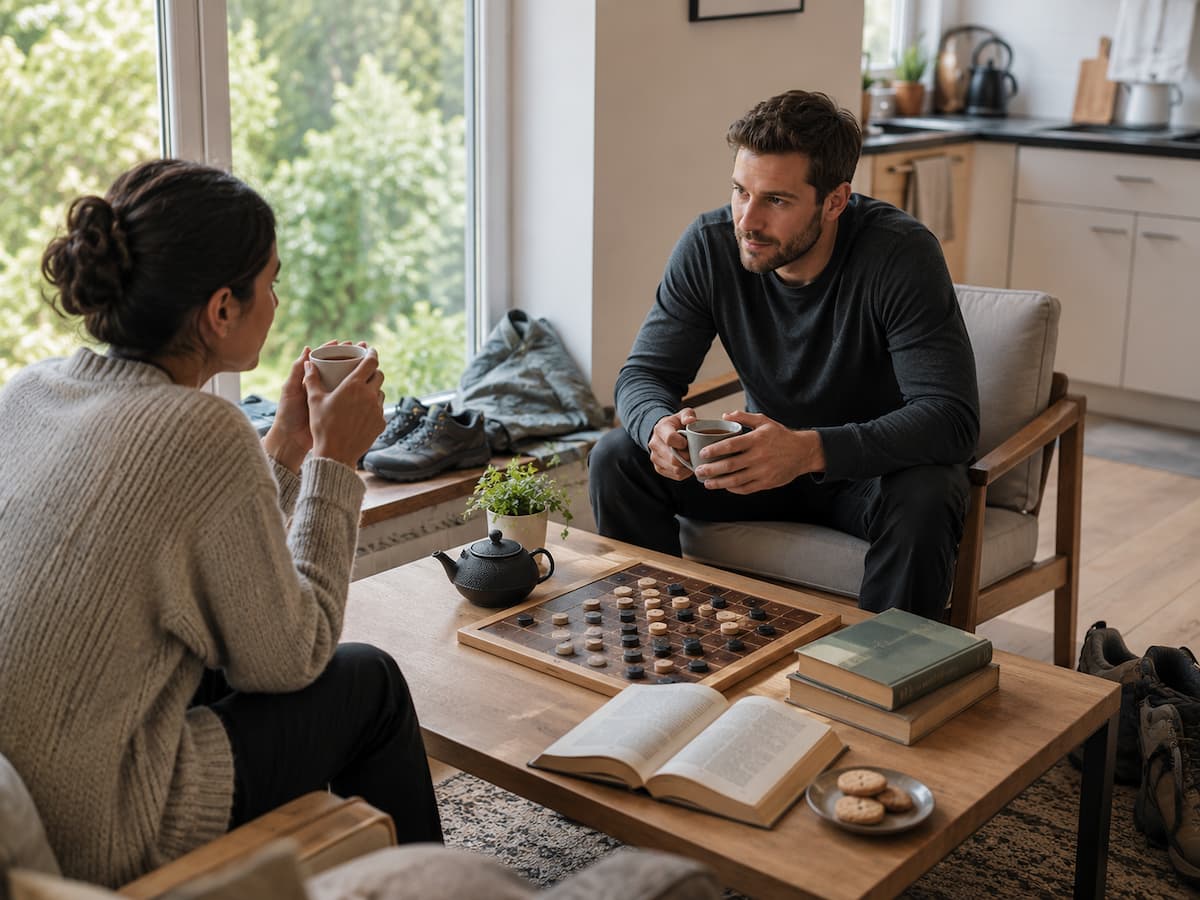
Phones and other devices are useful, but continual notifications can make it difficult to focus. A shared screen-free period resets easily. It could happen around supper, the last hour before bed, or another time when both people are accessible. The idea is not to prohibit technology or screens from relationships. The goal is to create a consistent time when communications, scrolling, and entertainment don’t compete. Try conversing, reading quietly in the same room, playing a board game, working a puzzle, listening to music, or making breakfast together instead of the screen. If an hour seems too long, try 15 or 20 minutes. A modest, effective routine is better than a three-day rule.
Do Something Creative Together
Couples can spend time together without talking through creative activities. You may sketch, picture, garden, build, decorate, compose a playlist, write, paint, or do a basic craft. Neither person needs extraordinary talent. Choosing an activity where neither person expects perfection will help you relax. The exercise becomes a shared experience, not a test. To avoid one person’s interests dominating the routine, couples can alternate who chooses the activity. The advantage is not dependent on creating something outstanding. Doing something new together fosters laughter, teamwork, interest, and tiny encouragement. In a predictable world, those experiences can be useful.
Enjoy Nature Without Making It a Party
Outdoor time does not require a weekend getaway or expensive activity. You can change an average day by sitting on a balcony, visiting a park, walking through a garden, sipping coffee outside, or watching the sunset. Natural environs might break up household routines and screens. Even a brief time outside may seem different for couples who spend most of their time indoors. The exercise should be flexible because weather and accessibility affect practicality. On chilly or rainy days, couples might choose inside activities instead of a brief walk. Wellness should not be a chore. Instead of adding stress to a busy schedule, create restful, shared times.
Create a Relaxing Evening Routine
Unfinished work, chores, entertainment, and phone use can fill evenings. A shared wind-down routine can help you relax on purpose. Couples can clean the kitchen, make tea, read, stretch, or discuss their day. The regimen need not be the same every night. Creating a predictable slowdown period is key. When possible, avoid difficult logistics discussions before bed. Postponing a vital discussion is not always appropriate, but every evening does not need to end with problem-solving. Before bed, a quieter schedule lets both people relax from the day’s obligations.
Practice Gratitude Without Force
Sometimes couples discuss something they like about each other, the relationship, or the day. This works best when it is specific and sincere rather than a typical positive affirmation. “Thanks for making dinner when I was busy” means more than just saying anything is great. Small gestures like a meaningful letter, aid with difficult work, or a shared pastime can also be appreciated. Real issues should not be ignored. A relationship can have conflict, stress, and disappointment while yet recognizing its strengths. If gratitude exercises are awkward for one or both spouses, there are other ways to show appreciation. You can achieve the same goal by appreciating helpful or courteous actions without making it a ceremony.
Choose Playful Activities
Duties often take over adult habits, leaving little time for fun activities. Couples can intentionally play again. Play a basic game, visit an arcade, attempt a new activity, cook something different, have a friendly competition, take up an old pastime, or make up a lighthearted home challenge. The activity need not be expensive or extensive. Play affects the tone of an interaction, making it valuable. Both people are reacting to the same experience without discussing what to do next. Keep competition pleasant. Choose a cooperative activity if one individual dislikes competition. Entertainment and connection, not competition, are the goals.
Make Small Expectations
A pleasant event on the calendar can offer couples a shared anticipation when life becomes routine. It might be a weekend breakfast, movie night, local market visit, picnic, new restaurant visit, museum visit, or day trip. The activity need not be pricey. Planning may be fun, especially when both people share ideas. Set a spending limit or choose free activities if budgets are low. This approach prevents financial burden from the experience. Taking breaks from routine is key. An organized activity might give couples something to chat about during a busy week. Even a simple gathering can be meaningful when both parties make time for it.
Know When a Group Wellness Activity Is No Use
Couples’ wellness routines may not work, and imposing them can be counterproductive. Change tactics if one partner feels forced, judged, ignored, or uncomfortable during an activity. Shared walks shouldn’t be lectures. Phone use should not be argued during a screen-free evening. A conversation exercise shouldn’t be used to air all outstanding issues. Healthy routines should accommodate personal preferences and boundaries. Couples can also do individual wellness activities. One person may like quiet reading, while the other likes exercise or friends. Time apart doesn’t inherently erode connection. Healthy individual interests make shared time more enjoyable in many partnerships since neither party feels the relationship must meet all their needs.
When Daily Stress Outweighs Group Activities
Shared activities can improve connection and well-being, but they cannot replace expert care for significant mental health issues. Consult a mental health specialist if one spouse is in distress, has severe changes in functioning, or has symptoms that interfere with everyday life. Couples can keep normal routines during stressful times, but a pleasant walk or evening talk should not be used as a mental health treatment. Wellness activities should not be used to force a spouse to address anything they are not ready to discuss. While respecting personal boundaries, a supportive partnership might encourage professional aid. Sometimes individual support is better than group problem-solving.
Conclusion
Relationship mental health doesn’t need to be planned. It is often formed throughout simple moments that allow attention, movement, laughing, conversation, and rest. A walk after supper, a shared meal, an evening without phones, a creative activity, or a quiet talk can be meaningful if both people choose to participate. The best habits can handle busy weeks and moods. They also let partners have separate hobbies and space. Most importantly, joint wellness activities should strengthen the connection, not create another requirement to meet. Start simple, notice what seems natural, and keep things that improve time together.
FAQs
1. What simple mental health activities can couples try?
A short walk without phones is a simple starting point, as it combines exercise, conversation, and time away from electronic screens, and requires no special equipment or extensive planning.
2. Do couples have to spend all their spare time together?
No. Healthy relationships can include individual hobbies, friendships, and time for yourself. The most effective thing about healthy activities together is that they strengthen the connection rather than creating pressure to be together all the time.
3. What if my partner doesn’t like healthy activities?
Start with everyday activities they already enjoy and make them more meaningful. Cooking, listening to music, taking a walk, playing games, or just chatting can all strengthen the connection without being labeled as ‘healthy activities.’
4. Can couples engage in these activities if they are having relationship problems?
These activities can offer opportunities for quieter interaction, but they cannot solve serious relationship problems on their own. Persistent conflicts may require more direct communication or professional help.
5. How often should couples engage in activities together?
There is no fixed schedule. A short activity that fits seamlessly into your weekly routine is usually easier to stick to than an ambitious plan. Consistency is more important than duration.

Ethan Caldwell is a wellness technology researcher and lifestyle writer focused on the intersection of health, innovation, and everyday wellbeing. He specializes in topics such as fitness technology, sleep optimization, AI-powered nutrition, workplace wellness, and mental health strategies. Through extensive research and analysis of emerging health trends, Ethan creates practical, easy-to-understand content designed to help readers make informed decisions and build healthier daily habits. His goal is to translate complex wellness concepts into actionable guidance for modern living.