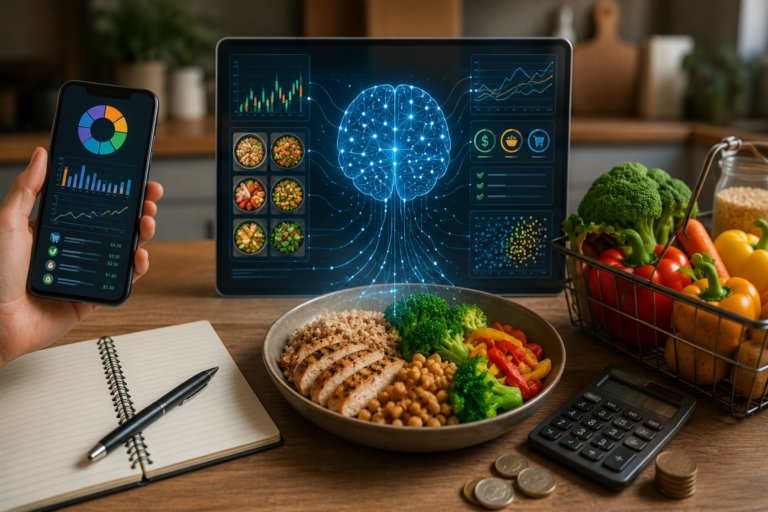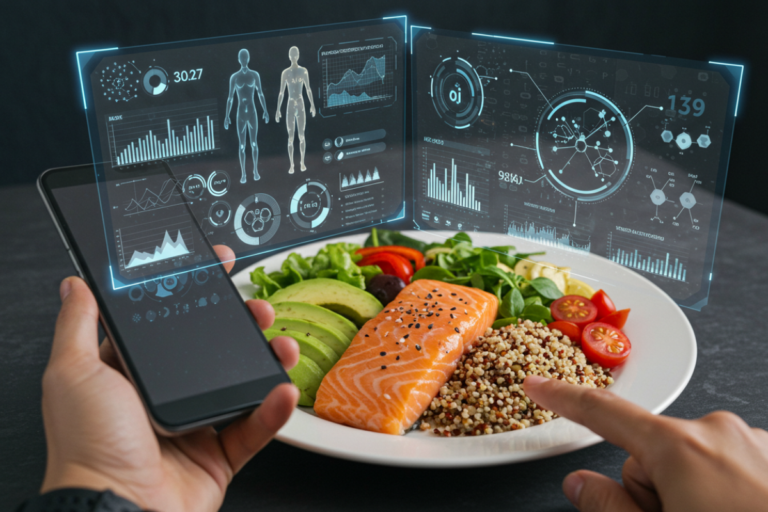

In today’s fast-paced world, making the right food choices can feel overwhelming. We want meals that are healthy, affordable, and suited to our personal tastes. But how can technology help us make smarter meal decisions? Enter machine-learning meal optimization, a fascinating intersection of artificial intelligence and nutrition science. This technology analyzes vast amounts of data to help individuals, families, and even businesses plan meals that are not only tasty but also nutritionally balanced and cost-effective. In this article, we’ll break down the science behind machine-learning meal optimization, explain how it works, explore its real-world applications, and show you how it can simplify your daily life.
Understanding the Basics of Machine Learning in Food
Before diving into meal optimization, it’s important to understand what machine learning (ML) is. ML is a subset of artificial intelligence where computers learn from data to make predictions or decisions without being explicitly programmed. In the context of food, machine learning can analyze patterns in ingredients, recipes, dietary preferences, nutritional content, and even seasonal availability to generate smart meal recommendations.
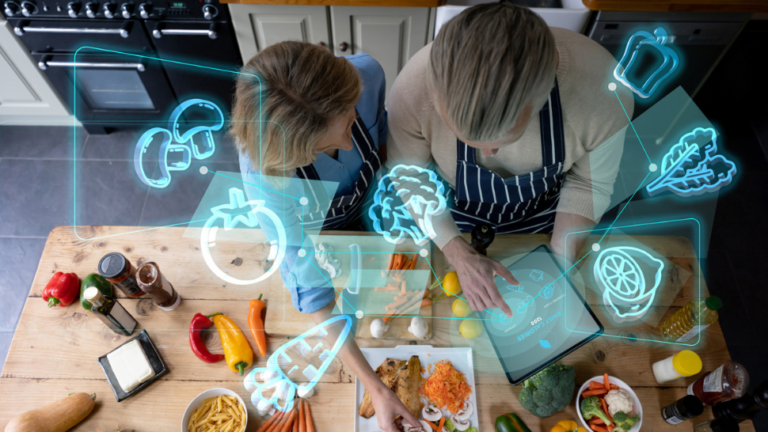
For instance, if a system knows you prefer low-sugar breakfasts and that you have eggs, spinach, and tomatoes at home, it can suggest an omelet recipe tailored to your health goals and available ingredients. Over time, the system “learns” your habits and improves its suggestions.
How Machine Learning Optimizes Meals
Machine-learning meal optimization works by combining several types of data and algorithms. At a high level, the process involves:
- Data Collection: Gathering information about ingredients, recipes, nutritional values, user preferences, allergies, and dietary restrictions.
- Pattern Recognition: Identifying correlations between ingredients, health outcomes, and taste preferences.
- Prediction Models: Using algorithms to predict which meal combinations will meet a user’s goals, such as calorie count, macronutrient balance, or flavor profiles.
- Continuous Learning: Adjusting recommendations based on feedback, such as user ratings or changes in eating habits.
By analyzing these factors, machine-learning systems can suggest meals that are not only satisfying but also optimized for specific outcomes like energy levels, nutrient intake, or cost efficiency.
Personalization: The Key Advantage
One of the most powerful aspects of machine-learning meal optimization is personalization. Everyone has unique dietary needs. Some may need more protein, others less sugar. Some follow vegan or keto diets, while others have food allergies. Traditional meal planning often fails to account for these nuances.
Machine learning addresses these issues by learning from individual behavior. For example, if a user consistently skips meals containing dairy, the system will adjust future suggestions to exclude dairy-based recipes. As time goes on, the recommendations become more and more accurate, transforming generic meal plans into a truly personalized experience.
Real-World Applications in Restaurants and Food Delivery
Machine learning isn’t just for home cooking. Restaurants and food delivery platforms are adopting these technologies to streamline operations and improve customer satisfaction. Here’s how:
- Menu Optimization: Restaurants can analyze which dishes sell best, which ingredients generate waste, and adjust menus accordingly. This reduces costs and improves efficiency.
- Dynamic Meal Suggestions: Food delivery apps can recommend meals based on past orders, dietary restrictions, and even local trends. For example, if a user often orders Mediterranean-style dishes, the app can highlight new options within that category.
- Inventory Management: Predicting ingredient demand helps reduce food waste. Machine learning can anticipate which ingredients restaurants need in what quantities, ensuring they buy just enough to meet demand.
By integrating meal optimization algorithms, the food industry can deliver better experiences while minimizing waste and costs.
Machine Learning and Nutritional Goals
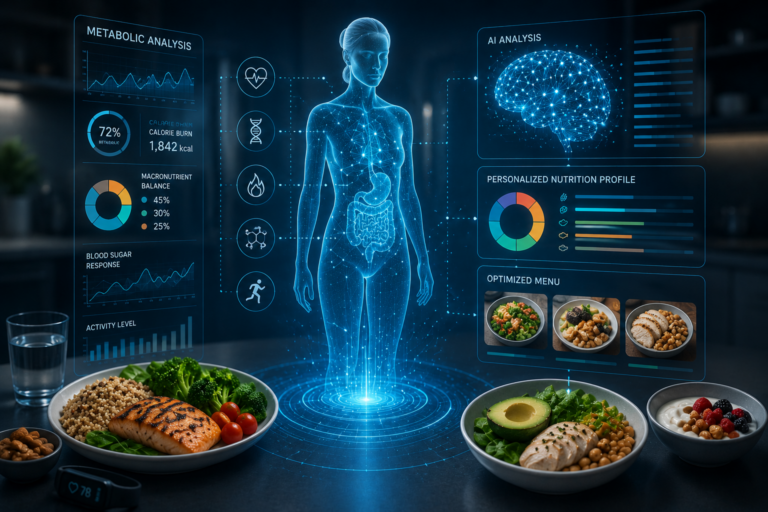
For health-conscious individuals, machine-learning meal optimization can be a significant improvement. Algorithms can balance meals based on calories, vitamins, minerals, or macronutrients. Some apps even integrate with wearable devices to adjust meal plans based on activity levels.
Imagine wearing a fitness tracker that monitors your daily steps, heart rate, and sleep quality. The meal planning system can use this data to suggest meals that optimize energy, recovery, and overall well-being. For instance, after a long run, it may recommend a protein-rich dinner to aid muscle repair.
How AI Handles Complex Dietary Constraints
Complex diets, such as gluten-free, diabetic-friendly, or allergen-sensitive plans, require careful planning. Machine learning excels here by processing multiple constraints simultaneously. Traditional methods often require trial and error, but AI can:
- Identify safe substitutes for restricted ingredients.
- Calculate nutritional values accurately.
- Suggest combinations that satisfy taste preferences while meeting dietary rules.
This capability is particularly useful for families managing multiple dietary needs, ensuring everyone can enjoy meals without compromise.
Practical Examples for Everyday Use
You might be wondering, “How can I use machine learning for meal optimization in my daily life?” Here are some practical examples:
- Meal Planning Apps: Apps like Eat This Much or PlateJoy use ML to generate weekly meal plans based on preferences, budget, and health goals.
- Smart Kitchen Devices: Some smart fridges can track inventory and suggest recipes based on what’s inside, reducing food waste.
- Grocery Shopping Assistance: AI-powered grocery apps suggest ingredient combinations, shopping lists, and even substitution options to make cooking simpler and faster.
By leveraging these tools, you can save time, eat healthier, and reduce stress around meal preparation.
Challenges and Limitations
Despite its benefits, machine-learning meal optimization faces some challenges. Accurate predictions depend heavily on high-quality data. Incomplete or incorrect data about ingredients, portion sizes, or user preferences can lead to poor recommendations.
Additionally, human taste is highly subjective and sometimes unpredictable. While AI can analyze patterns, it may not always capture cultural or emotional factors that influence food choices. That’s why machine learning should complement, not replace, human judgment in meal planning.
The Future of Meal Optimization
The future for machine-learning meal optimization is bright. As AI models get more advanced, they will be better at understanding personal preferences, cultural subtleties and nutritional science. New technologies like computer vision might provide computers a way to “see” what you eat and provide real-time recommendations. Integration with smart home devices, wearable sensors and customized health data might open the door to completely automated, highly specialized meal planning systems.
Imagine a future when your kitchen knows what you want, provides healthy meals and even cooks them for you. That may seem like science fiction, yet we are laying the groundwork now.
Conclusion
Machine-learning meal optimization is changing the way we plan, prepare and enjoy meals. AI systems process data , learn from individual behavior , and use nutritional science to offer tailored , efficient , and health-conscious meal suggestions . From home kitchens to restaurants, the technology is making meal planning smarter and less stressful.
It’s not flawless, but the promise is there. By integrating AI insights with individual taste and creativity, anybody can prepare meals that are not just tasty, but also ideal for health, convenience and affordability.
FAQs
1. What is machine learning for meal optimization?
It’s the application of artificial intelligence to assess data on food and nutrition and user preferences to advise meals that are personalized, healthful and efficient.
2. Can machine learning aid with diet restrictions?
Yeah. AI may assess different limits like allergies, vegan diets or low-sugar demands, and recommend alternatives in ingredients and meals.
3. Are food optimization apps reliable?
The quality of the data given determines its correctness. The more information you give about your tastes and health objectives, the better the suggestions will be.
4. How might AI help minimize food waste?
AI predicts the ingredients you need and suggests meals based on what you have in stock, helping you avoid overbuying and reducing food waste.
5. Machine learning for meal optimization in restaurants?
Yes. It helps restaurants optimize their menus, estimate demand for ingredients, and provide tailored suggestions for consumers, making things more efficient and satisfying.
6. Will AI take over human chefs?
Not quite. AI may help with planning and optimization, but the human touch—imagination, taste judgment and cultural context – remains crucial when it comes to cooking and culinary innovation.

Ethan Caldwell is a wellness technology researcher and lifestyle writer focused on the intersection of health, innovation, and everyday wellbeing. He specializes in topics such as fitness technology, sleep optimization, AI-powered nutrition, workplace wellness, and mental health strategies. Through extensive research and analysis of emerging health trends, Ethan creates practical, easy-to-understand content designed to help readers make informed decisions and build healthier daily habits. His goal is to translate complex wellness concepts into actionable guidance for modern living.