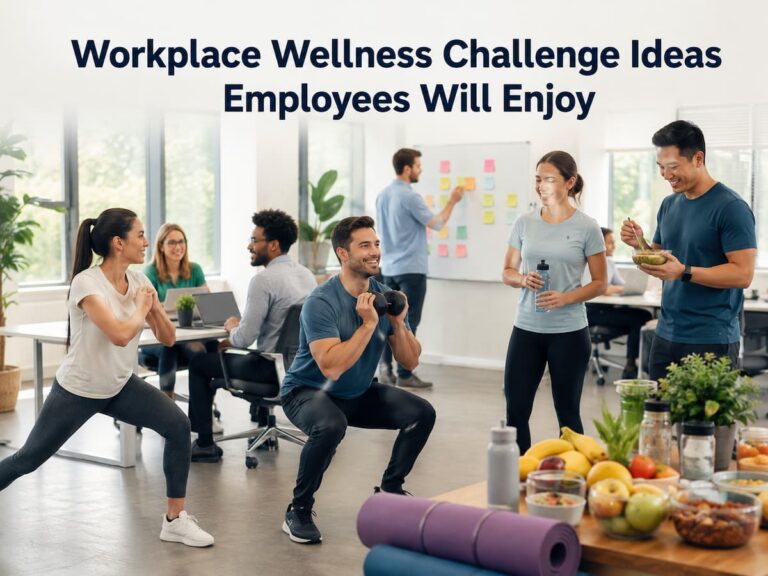

In the modern workplace, people often sit for long periods, which causes physical discomfort and reduces mental sharpness. Standing work is an ideal alternative to traditional workspaces, as it allows employees to adjust the desk height and perform tasks while standing. Switching from sitting to standing means more movement throughout the day. People who use a standing desk generally report feeling more alert and experiencing less afternoon fatigue, unlike many office workers. Standing work requires physical activity, keeping the body active and improving mental sharpness.
The Science Behind Improved Concentration
Standing changes the way the body functions and has a direct impact on your thinking and memory abilities. When standing, the heart rate increases slightly, transporting more blood and oxygen to the brain. Improved blood circulation promotes the growth and more efficient functioning of neurons, which is critical to sustaining concentration and problem-solving. Researchers have discovered that the subtle muscle changes required to maintain balance while standing prevent the brain from becoming sluggish and sleepy. That is why employees who use a standing desk are more focused and can concentrate on challenging tasks for longer.
Boost your Energy and Combat Fatigue
It is widely known that prolonged sitting leads to lethargy and exhaustion. A standing desk can alleviate this by training the large muscles in your legs and torso, keeping you alert and energetic. Stiff joints and pain can significantly drain an employee’s energy by mid-afternoon. Standing can effectively improve thisyour energy levelsternating between sitting and standing throughout the day can prevent muscle fatigue and slightly stimulate metabolism. This continuous, light physical activity helps maintain a stable energy level, allowing people to avoid the sharp drop in productivity that often occurs after lunch.
How to Get the Most out of a Standing Desk?
To maximize the benefits of a standing desk, it must be set up correctly. Adjust the height of the desk so that your arms form a 90-degree angle while working. This prevents neck and shoulder pain. To keep your back straight and prevent a hunched posture, the computer screen should be at eye level. Using a high-quality anti-fatigue mat is important, as it cushions your feet and encourages small movements, preventing excessive pressure on your joints. Wearing comfortable shoes makes standing more comfortable and ensures you are not distracted.
Integrate a Standing Desk into Your Daily Work Routine
The transition to a standing desk should be gradual so that your body has time to get used to the new way of working. Beginners are best off starting by standing for 15 to 20 minutes per hour and gradually increasing this over a period of several weeks. Using a timer or a dedicated program on your computer makes it easier to maintain a fixed schedule that alternates between sitting and standing. It is crucial to pay close attention to your body; if you feel tired or uncomfortable, sit down to avoid stress. This balanced approach ensures that your standing desk is always a source of energy and not a source of fatigue.
Physical and Mental Well-being and a Life Outside of Work
A standing desk can help you concentrate and boost your energy, but it works best in combination with a healthy lifestyle. A healthy diet, regular aerobic exercise, and adequate hydration enhance the benefits of an active work environment. Short, brisk walks during breaks promote circulation and give your brain the necessary relaxation. By stretching your lower back, hips, and legs throughout the day, your muscles remain relaxed and you prevent stiffness. As long as you view a standing desk as part of a holistic fitness plan, you will see long-term improvements in both your work and your health.
Improving Daily Work Productivity
Installing a standing desk fundamentally changes the way professionals work every day. Regular movement helps maintain concentration and prevent fatigue—a lack of movement that can easily lead to burnout. By adopting an ergonomic posture and alternating between sitting and standing, you benefit from these advantages without overstraining your body. Ultimately, the choice to stand during the workday is an important step towards a more active, focused, and healthier career.
FAQs
1. How often per day should I stand and how often should I sit?
Most experts recommend standing for one hour for every one to two hours of sitting. Instead of standing for long periods, it is better to change your posture regularly. Prolonged standing can lead to fatigue in the legs and lower back.
2. Is a standing desk harmful to your body?
If you use a standing desk incorrectly or do not get used to it gradually, you may experience discomfort. Pain is often caused by poor balance, wearing unsuitable shoes, or not using an anti-fatigue mat. Creating a good working environment is therefore crucial.
3. Do you really burn a lot of calories with a standing desk?
The number of calories you burn while sitting and standing does indeed differ slightly, but this is no substitute for regular physical exercise. A standing desk not only helps you lose weight but can actually improve your metabolism, balance, and energy levels.
4. How long does it take to get used to a standing desk?
Most people get used to a standing desk after two to four weeks. Start by standing for short periods and gradually extend the time so that your muscles and joints can adapt slowly without strain.
5. Are standing desk adapters just as effective as a full standing desk?
Standing desk adapters allow users to switch between sitting and standing and offer the same fundamental benefits as a full standing desk. They work well and are often a more affordable option for people looking to improve their existing fixed workspace.

Ethan Caldwell is a wellness technology researcher and lifestyle writer focused on the intersection of health, innovation, and everyday wellbeing. He specializes in topics such as fitness technology, sleep optimization, AI-powered nutrition, workplace wellness, and mental health strategies. Through extensive research and analysis of emerging health trends, Ethan creates practical, easy-to-understand content designed to help readers make informed decisions and build healthier daily habits. His goal is to translate complex wellness concepts into actionable guidance for modern living.