
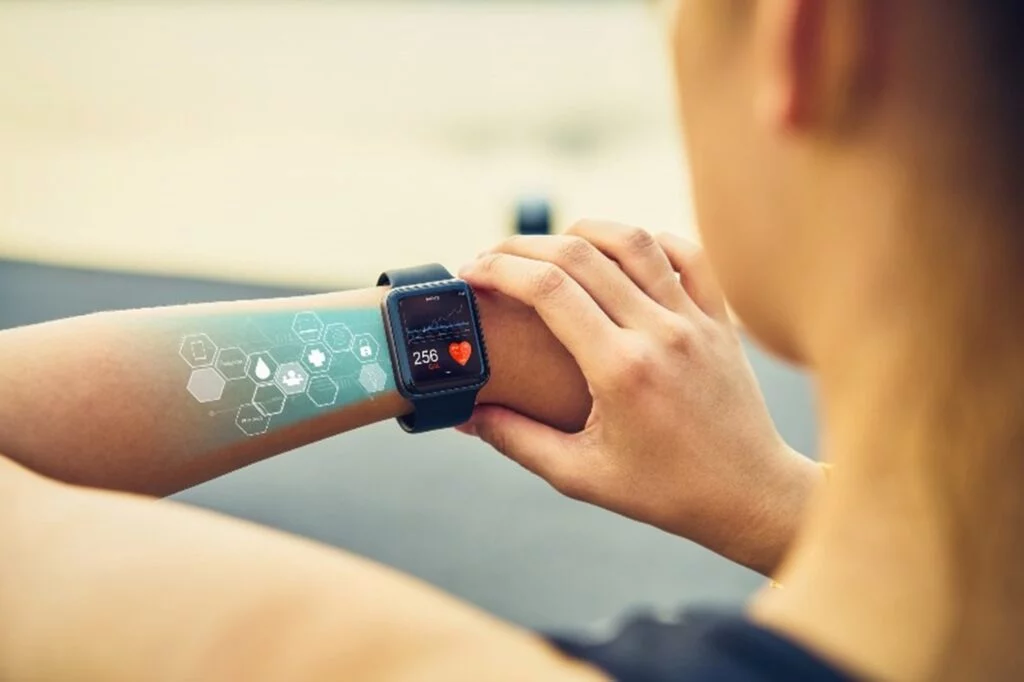
Many people start their fitness journey full of enthusiasm, but sticking with it and achieving concrete results is no easy feat. You might train for weeks, yet still not be sure if your training is effective. Some train too much, leading to burnout, while others train too little and make no real progress. This is where wearable fitness devices come in handy. Modern wearables do much more than just count steps. They help track heart rate, activity level, recovery, and training efficiency, providing crucial data that allows users to make better-informed fitness decisions.
The growing popularity of wearable fitness devices is no coincidence. They are widely used because they provide valuable data that allows users to optimize their training schedules and improve their overall fitness performance. Whether you are a fitness beginner looking to stay active or an experienced athlete seeking to maximize your training results, wearables can help you reach your goals. In this article, we discuss a number of wearables that truly improve training results and how they help users train more scientifically, rather than just harder.
Why Wearable Fitness Technology is so Important
A lack of reliable feedback is a major reason why many people struggle to stick with their workouts. Without data, it is difficult to determine if a workout is effective. Wearable fitness devices give you immediate insight into your physical condition and athletic performance. You now have reliable data at your disposal, meaning you no longer have to guess how many calories you have burned or whether the intensity of your workout was sufficient to follow your training schedule.
These devices also reinforce your sense of accountability. By viewing your daily activities and workout duration, and seeing your progress over time, you can stay motivated. However, for long-term fitness goals, consistency is often more important than intensity. Objective ways to track performance enable users to see their strengths and weaknesses and identify areas for improvement.
Smartwatches Help you Stick with Your Workouts
Smartwatches are among the most popular wearable fitness devices. They are convenient and offer various important monitoring functions. Modern smartwatches can track your steps, calories burned, workout duration, distance covered, and heart rate. Some smartwatches also have reminder functions to encourage you to rest, stand up, and move during the day, so that you avoid a sedentary lifestyle.
Activity tracking is one of the biggest benefits of smartwatches. Whether you are walking, jogging, cycling, swimming, or doing strength training, smartwatches automatically record your activity and provide important training data. Your daily progress can motivate you to reach your fitness goals. Exercising regularly can significantly improve your endurance, strength, and overall health.
Heart Rate Monitoring can Improve Training Efficiency
Heart rate monitoring is one of the most practical features of wearable fitness devices. Many people exercise either too much or too little. Heart rate monitoring helps you understand the intensity of your workout.
For example, if you want to burn fat, maintaining a specific heart rate zone can improve the effectiveness of your workout. If you are focusing on cardiovascular fitness, other heart rate zones may be more suitable for you. Real-time heart rate monitoring allows users to adjust training intensity immediately. This means you can make optimal use of your training time without unnecessary effort. Over time, the heart rate data also becomes more accurate. As your fitness improves, your heart becomes more efficient, allowing you to perform the same exercise with less effort.
Fitness Trackers Encourage Daily Movement
Not everyone spends hours at the gym. For many, increasing their daily activity level is their primary fitness goal. Fitness trackers are designed for this purpose. These lightweight, wearable devices focus on tracking daily activities such as steps, distance, calories burned, and activity time.
People often underestimate the harmful effects of inactivity. Many believe they get enough exercise every day, but fitness trackers show that they spend most of their time sitting. Many technological products can make people more aware of the importance of movement, leading to a healthier lifestyle. Users can choose to take the stairs instead of the elevator, take short walks during breaks, or find other simple strategies to increase their daily activity. Just as small behavioral changes can ultimately lead to significant fitness benefits.
GPS Wearables Improve Running and Cycling Performance
GPS wearables provide runners and cyclists with crucial data to improve their athletic performance and training effectiveness. GPS monitoring records distance, pace, speed, route precision, and elevation changes. You receive accurate information about your training, not just estimated distances.
This data helps users set realistic goals and track training results over weeks or even months. Runners can track pace improvements, and cyclists can evaluate their route performance and endurance. GPS data also helps users plan their training more effectively. Insight into your pace and distance helps you develop more realistic training schedules and reduces the risk of overtraining. Viewing your training history helps you recognize trends and stay motivated.
Sleep Tracking Devices Promote Better Recovery
Many people focus exclusively on the training itself and neglect recovery. However, recovery is a crucial factor for good health. Sleep tracking, a feature of wearable devices, helps users gain insight into their sleep habits and the overall quality of their recovery.
Insufficient sleep affects your training performance, energy levels, motivation, and muscle recovery. Sleep tracking devices record sleep duration, sleep phases, and nighttime sleep interruptions. By detecting sleep issues, users can make adjustments to promote recovery and achieve better training results. For example, people with sleep deprivation may have less energy during workouts. Good sleep habits generally lead to better athletic performance and more consistent training.
Smart Rings Make Fitness Monitoring Simple
Fitness enthusiasts are increasingly choosing smart rings as a discreet wearable device. Compared to watches or wristbands, smart rings are small, yet they offer capabilities for tracking fitness and health data. They can record training intensity, sleep quality, heart rate, and recovery parameters.
Many users appreciate the comfort and convenience of wearing the rings, both day and night. The lightweight and discreet design of smart rings enables continuous data transfer without disrupting daily life. The data collected by these devices helps users make informed decisions regarding training intensity, rest time, and lifestyle, for example.
Wearable Devices Designed to Prevent Overtraining
One of the most common mistakes fitness enthusiasts make is the belief that training more equals better results. Overtraining without sufficient recovery can actually slow progress and worsen fatigue. Wearable recovery devices are designed to help people recognize when their body needs rest.
These devices record parameters such as heart rate variability, resting heart rate, sleep quality, and overall fatigue levels. Users can use this recovery data to determine whether they are ready for intensive training or if they would be better off choosing less strenuous workouts. This approach helps prevent overtraining and promotes sustainable progress in the long term.
Wearable Devices Boost Motivation
Motivation is a major obstacle to any fitness plan. Many people start enthusiastically but drop out after a few weeks. Wearable fitness devices provide continuous feedback to keep users motivated. Daily goals, activity reminders, success badges, and progress reports all contribute to a sense of accomplishment.
Nothing motivates more than tangible progress. Even small steps, such as increasing daily step counts or developing a regular workout routine, can inspire users to keep striving for bigger goals. The psychological satisfaction of tracking progress can be just as strong as the actual data itself.
Choose the Right Wearable Device
Not all wearable devices are suitable for everyone. The device you choose depends on your specific fitness goals. If you only want to track general activity, a simple fitness tracker might suffice. If you practice multiple sports and want detailed performance data, a wristwatch might offer more possibilities.
Runners and cyclists use many smart devices with GPS to obtain accurate information regarding distance and pace. If you focus on recovery and optimizing your sleep, you can choose a device aimed at health monitoring. Are you considering purchasing wearables? Then think about which types of data are most useful for your fitness plan. The ideal device should support your goals and help you stick with your workouts in the long run.
The Future of Wearable Fitness Technology
Wearable technology is evolving rapidly. New technologies are becoming increasingly accurate, comfortable, and offer richer information about fitness performance. Future wearables may offer more personalized suggestions, allowing users to tailor their training schedules to their current physical condition. Thanks to improvements in sensors and artificial intelligence, fitness tracking is becoming smarter and more user-friendly.
With technological advancements, wearables will undoubtedly become powerful tools for improving training results. The focus is shifting from simply collecting data to providing actionable advice, enabling people to make more informed fitness choices.
Conclusion
Wearable technology has changed the way people view their health. Users now have access to real-time information regarding activity level, training intensity, recovery, sleep quality, and overall performance, without having to guess. Smartwatches, fitness trackers, heart rate monitors, GPS devices, smart rings, and recovery-focused wearables can, when used correctly, each offer unique benefits to improve training results.
The true value of wearable fitness devices lies not in the device itself, but in the information it provides. By listening to your body and tracking your progress regularly, you can make smarter decisions, stay motivated, and reach your fitness goals faster. Wearable devices, combined with regular exercise, a healthy lifestyle, and realistic expectations, can be a powerful tool to achieve your fitness goals in the long term.
FAQs
1. Do fitness trackers really improve training results?
Yes, wearable electronic devices can improve training results by providing data on activity level, heart rate, recovery, sleep, and overall performance. This information can help users make better training choices.
2. What are the best wearable devices for beginners?
For beginners, simple fitness trackers or entry-level smartwatches are usually the best choice. These devices offer step tracking, activity tracking, and motion tracking, and are easy to use.
3. Are heart rate monitors accurate enough for daily fitness?
Most heart rate monitors on the market are accurate enough for general fitness purposes and can help you measure the intensity of your workout.
4. Can these devices help with weight management?
Wearable devices can help users manage their weight and achieve their fitness goals by providing information such as activity level, calorie expenditure, and workout regularity.
5. Why is sleep tracking crucial for fitness progress?
Yes, sleep plays an essential role in recovery and athletic performance.

Ethan Caldwell is a wellness technology researcher and lifestyle writer focused on the intersection of health, innovation, and everyday wellbeing. He specializes in topics such as fitness technology, sleep optimization, AI-powered nutrition, workplace wellness, and mental health strategies. Through extensive research and analysis of emerging health trends, Ethan creates practical, easy-to-understand content designed to help readers make informed decisions and build healthier daily habits. His goal is to translate complex wellness concepts into actionable guidance for modern living.