
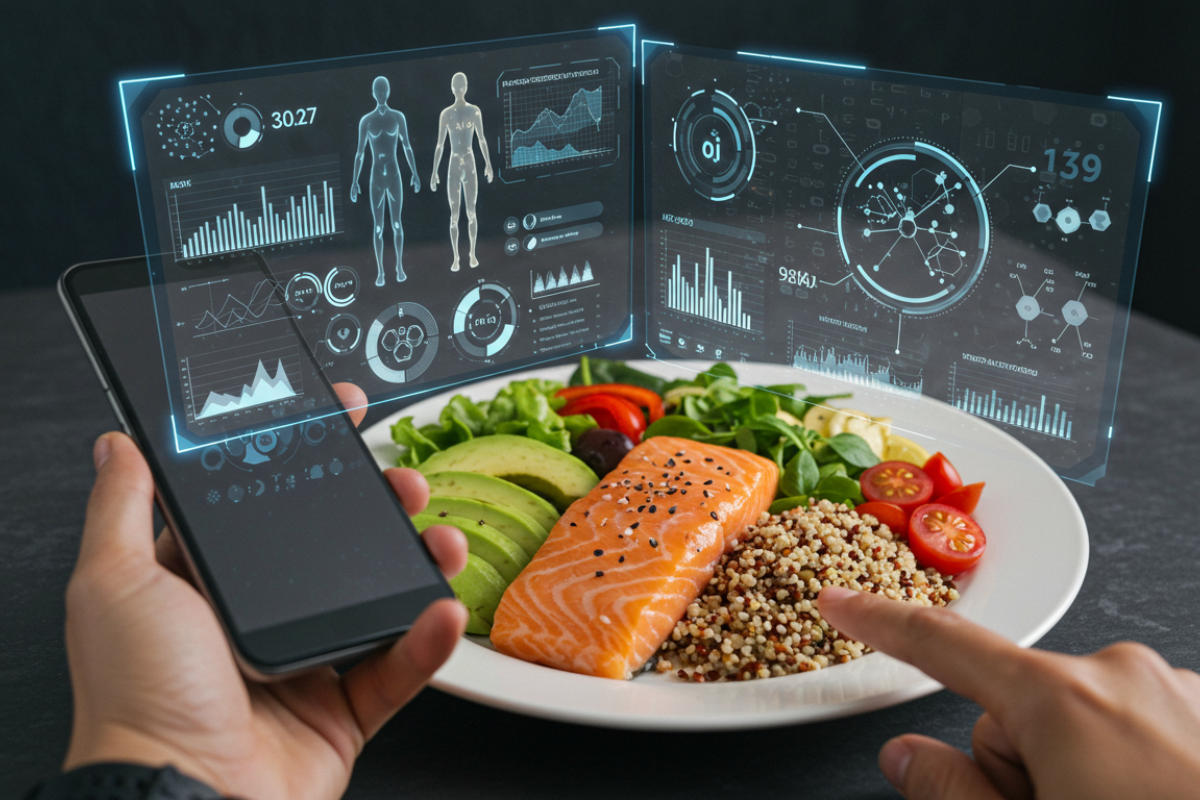
In today’s fast-paced society, maintaining a nutritious and balanced diet is no easy task. Everyone has different nutritional needs, making it difficult to determine what to eat. Artificial intelligence (AI) can solve this problem. Modern AI can create personalized nutrition plans within minutes, making healthy eating easy, personal, and efficient. In this article, we explore how AI generates these plans, their importance, and how you can use AI to improve your daily nutrition.
The Challenges of Personalized Nutrition
There is no universal standard for nutrition. The optimal diet for each person depends on factors such as age, weight, activity level, and health goals. In the past, nutritionists spent hours analyzing food intake, calculating calories, and tailoring meal plans to individual needs. No one could achieve that level of detail. Many people struggle with meal planning, tracking food intake, and sticking to a diet. AI solves these problems through automation. With its algorithms and data analysis capabilities, AI can understand an individual’s specific needs and create personalized, achievable, and balanced plans. It offers personalized strategies instead of standard templates, without guesswork or extra effort.
How AI Collects Your Nutritional Data
The first step in creating a personalized nutrition plan is getting to know you. Many AI solutions start by collecting basic information such as age, weight, height, and activity level. More advanced programs can integrate medical history, dietary preferences, allergies, and, where possible, even genetic information. For example, some AI systems allow users to integrate fitness trackers, wearables, or food intake tracking apps. These sensors provide the AI with data in real time, including your energy expenditure, sleep patterns, and eating habits. The AI can analyze this data to predict your body’s response to specific foods and minerals, thereby creating a truly personalized plan.
The Role of AI Algorithms in Nutrition Planning
Once the data has been collected, the AI uses advanced algorithms to create a nutrition plan. Machine learning models retrieve hundreds of nutritional studies and… nutritional guidelines identify the most suitable food combinations based on your goals. These algorithms take into account macronutrients such as proteins, carbohydrates, and fats, as well as micronutrients such as vitamins and minerals. If you want to build muscle, the AI can calculate the required amount of protein based on your weight and activity level. If you want to lose weight, the model recommends low-calorie foods while simultaneously ensuring you get the essential nutrients. Furthermore, the AI model will continuously improve. As you log your meals or measure your progress, the AI adjusts its recommendations to ensure your nutrition plan aligns with your changing needs.
Fast and Efficient
Manually creating a personal meal plan can take hours or even days, whereas artificial intelligence (AI) can do this in seconds. AI can automatically calculate and quickly analyze massive datasets to deliver detailed, customized nutrition plans, without the time-consuming and labor-intensive process of repeated consultations with a human dietitian.
This higher speed does not mean a decrease in quality. In fact, AI often discovers patterns and combinations that we humans easily overlook. For example, it can help you balance your daily protein intake, recommend nutritious snacks, and suggest meals based on your training schedule—all within minutes. Efficiency is also reflected in ease of use. Thanks to AI solutions that are accessible to the general public today, people who previously could not afford personal meal guidance can now receive the same nutritional advice at a very low price.
A Practical Example of AI-generated Nutrition Plans
Imagine a busy professional who wants to lose weight and have more energy. The program asks the user to enter their daily habits, activity level, and dietary restrictions. It then uses AI software to generate a weekly meal plan with portion sizes, recommended foods, and even recipes. This plan is continuously adjusted as progress is tracked and automatically modified based on weight changes, energy levels, or user feedback. It can also assist athletes. Artificial intelligence can optimize the timing of protein intake before and after exercise, provide hydration tips, and recommend supplements when necessary. For individuals with specific dietary needs, such as those on a gluten-free or vegan diet, fully customized plans are available that adapt to their lifestyle without compromising nutritional balance.
The Scientific Principles of AI Recommendations
AI-driven nutrition tools are based on evidence. They consult nutritional databases, clinical studies, and regulatory recommendations to validate their accuracy. For example, AI can determine the daily recommended intake of vitamins and minerals, calculate calorie requirements based on basal metabolic rate, and apply macronutrient ratios tailored to individual goals. Machine learning models learn from user feedback over time and learning progress. If a meal plan leads to fatigue or lethargy, AI observes these trends and adjusts future recommendations accordingly. This makes AI-driven nutrition plans dynamic, personalized, and data-driven, rather than based on assumptions.
How AI Handles Dietary Preferences and Restrictions
Everyone has their own preferences and dietary restrictions. Some people do not eat meat, and others are allergic to certain substances. AI takes these factors into account from the start. AI enables users to enter dietary restrictions, preferences, or allergies to create safe, tasty, and sustainable meal plans. For example, people with lactose intolerance can find dairy-free protein sources without having to manually substitute anything. AI can also provide specific advice to vegetarians who wish to increase their iron intake through plant-based foods. This personalization makes it easier to stick to the plan and increases the likelihood of success.
Benefits of Artificial Intelligence in Nutrition
AI-driven diet planning offers several clear advantages: First, it can create ready-made strategies based on your needs, saving you time and effort. Second, it can improve accuracy, ensuring you definitely reach your nutritional goals. Third, AI adapts to changes in your body or lifestyle, so your strategies are adjusted accordingly. AI can also make nutrition more affordable. Even people who cannot regularly consult a dietitian can receive expert advice. Healthy eating becomes easier and more enjoyable with apps and platforms that include reminders, progress monitoring, and guidance materials.
Important Points to Consider
AI is powerful, but not without flaws. AI-generated nutrition programs depend on the data you provide. If the data you provide is inaccurate, the recommendations may not be optimal. Furthermore, AI cannot replace professional medical guidance, whether for complex conditions or restrictive diets. Another limitation is the degree of personalization. AI can analyze data and adjust recommendations, but it cannot fully replicate the in-depth knowledge of a human dietitian regarding behavior, emotional eating, or cultural preferences. Users should use AI as a tool, not as a replacement for expert advice.
Choosing the Right AI Nutrition Tool
Choosing the right AI nutrition platform is crucial. Look for apps or websites that use advanced algorithms, possess large nutrition databases, and can adapt based on user feedback. User-friendly design, connectivity with fitness trackers, and clear instructions for using the data are equally important. Free trials or basic versions allow you to experience the platform before making a full purchase. Good tools offer customizable, flexible features and professional advice, while maintaining a clean and easy-to-understand design.
The Future of AI in Dietetics
The future of AI in nutrition looks bright. Artificial intelligence is becoming increasingly intelligent and may be able to integrate more personal data in the future, such as gut microbiome analysis, genetic markers, or continuous blood glucose monitoring. This allows users to develop highly personalized plans based on their responses to various diets. Some AI platforms may even partner with meal delivery services to offer seamless nutrition solutions, from plan to plate. AI can also provide social support by connecting users with others who have similar goals to increase accountability and motivation.
Practical Tips to Make AI Nutrition Plans Work
Accurate data entry, regular progress tracking, and simultaneous lifestyle adjustments are essential to get the most out of AI-generated plans. Combining AI suggestions with mindful eating, exercise, and adequate hydration will yield even better results. Trying out different recipes and meal planning can make the plan feel more natural and less restrictive. The best way to use an AI plan is as a flexible framework, not as a rigid rulebook.
Conclusion
AI is changing our perception of nutrition. It helps people make healthier food choices, saves time, and creates personalized nutrition plans within minutes, leading to better health goals. AI is a scientific tool that, although limited, complements human knowledge and significantly improves daily eating habits. Whether you want to lose weight, build muscle mass, or simply eat healthier, AI nutrition tools offer personalized, flexible, and user-friendly solutions. By embracing this technology, uncertainty surrounding healthy eating disappears, allowing you to enjoy food and lead a balanced life.
FAQs
1. Can artificial intelligence replace professional nutritionists?
AI can be a useful tool for creating personalized nutrition plans, but it cannot replace the professional skills of a nutritionist, especially in complex medical situations. It should be used as a supplement to a consultation with an expert.
2. How accurate are AI-generated nutrition plans?
Accuracy depends on the data provided. The more accurate and complete your data, the more reliable the AI’s recommendations will be.
3. Are AI-generated nutrition apps suitable for vegetarians or vegans?
Yes, most AI apps allow users to indicate dietary preferences and restrictions, making the recommendations suitable for vegetarians and vegans.
4. How long does it take for results to become visible with an AI-generated nutrition plan?
Results depend on individual goals, adherence to the plan, and other lifestyle factors. Some users report feeling more energetic within a few days, but changes in body composition can take weeks.
5. Are AI-generated nutrition plans expensive?
Most people can get personalized nutritional advice through various AI-generated nutrition apps, including free basic versions and affordable subscription services.
6. Will artificial intelligence change my plan for food allergies?
Yes, AI systems allow users to enter their allergy history and dietary restrictions so that all nutritional recommendations are safe and acceptable.

Ethan Caldwell is a wellness technology researcher and lifestyle writer focused on the intersection of health, innovation, and everyday wellbeing. He specializes in topics such as fitness technology, sleep optimization, AI-powered nutrition, workplace wellness, and mental health strategies. Through extensive research and analysis of emerging health trends, Ethan creates practical, easy-to-understand content designed to help readers make informed decisions and build healthier daily habits. His goal is to translate complex wellness concepts into actionable guidance for modern living.