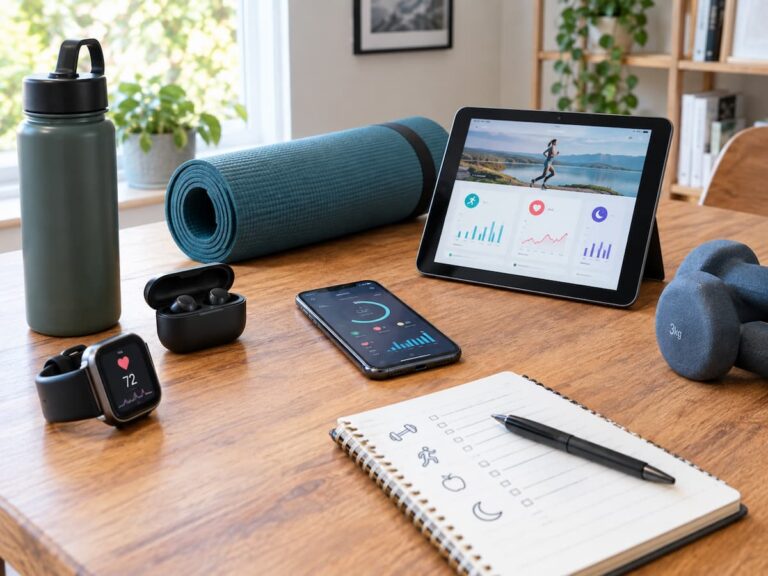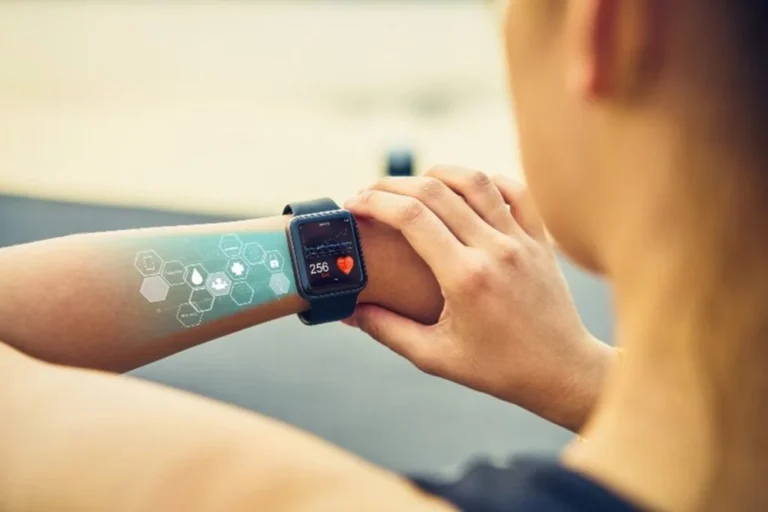

Many people do not take biometric monitoring into account when using smart devices: information that your fitness tracker cannot tell you. Fitness trackers are ubiquitous these days and measure steps, sleep, and heart rate. They are convenient and practical and offer daily health advice. However, many consumers do not realize that these devices display only a small part of their physical condition. Although they collect data, they cannot interpret physiological processes or changes in the body.
Most people use fitness trackers to record their activity, but this data is only superficial information. It does not always provide a picture of stress, hydration, mood, or fatigue. It is crucial to understand its limitations. Biometric monitoring may seem complex, but it is based on sensors and estimates, not on medical knowledge. Understanding what your tracker cannot display helps you use it more effectively and better understand your body’s signals. Understanding the limitations of technology is simple and practical and certainly something not to ignore.
Biometric Data Collection by Fitness Trackers
Biometric monitoring: information your fitness tracker cannot tell you and how these devices collect data. Fitness trackers collect body signals via small sensors attached to the skin. These sensors measure movement, heart rate, and skin temperature. The device converts these signals into readable numbers on a screen. Thanks to this fast, continuous process, users can quickly gain insight into their daily activity level.
These technologies cannot directly observe the body. They estimate activity by analyzing signals. Movement triggers step counting, while light sensors determine the heart rate. Although useful, this method is not perfect. Small movements can be counted as steps, and resting heart rate is influenced by many factors. Keep in mind that fitness trackers are intended to provide a general overview, not to perform in-depth analysis. They can show useful trends over a certain period but cannot explain every change in the body. This discrepancy between data and physical condition can be misleading.
The Missing Context Behind Your Daily Health Data
The article “Biometric monitoring: what your fitness tracker doesn’t tell you” emphasizes that numbers don’t tell the whole story. Data such as steps, calories burned, and sleep time displayed by fitness trackers lack context. Two people may take the same number of steps, but their energy levels, exertion, and environment can differ. Trackers record movement, not the reasons for that movement.
This lack of context can be confusing. For example, someone might feel tired despite a ‘good’ activity level or feel good despite taking few steps. This technology cannot capture feelings of tension, emotions, or attention; it only records physiological signals. Even the precise sleep data in the app is based on activity and heart rate patterns, not on sleep quality. Thus, this data helps to understand general trends but does not provide a complete insight. Recognizing this difference helps users not to rely too much on numbers and instead focus on how they feel in real life and the information the technology displays.
Hidden Limitations of Heart Rate Monitoring
Heart rate monitoring, one of the most popular features of modern wearables, is crucial in the article “Biometric Monitoring: What Your Fitness Tracker Can’t Tell You.” Trackers use light sensors to measure blood flow to the skin and thus estimate the heart rate. This method is only an approximation, not a medical measurement, but it works well in most cases. Small changes in movement, the position of the device, or skin temperature can influence the results on the screen.
Another disadvantage is that heart rate cannot explain the body’s reactions. Physical activity, excitement, stress, or changes in daily life can all cause a faster heart rate. The device cannot interpret these changes and only displays numerical values. Trying to interpret every piece of text can be confusing. Historical heart rate patterns are valuable, but every measurement must be interpreted in context. Fitness trackers can help identify heart rate patterns, but they cannot diagnose underlying health problems or mental states.
What your Devices Miss at Night
Sleep tracking is another crucial component of biometric surveillance: information that your fitness tracker cannot tell you. Many people believe they can understand their sleep quality based on sleep reports. These devices display sleep duration, nighttime activity, and sleep phases. While this information seems useful, it is based on indirect indicators rather than direct sleep observations.
Fitness trackers predict sleep phases based on heart rate and activity level. This provides a general picture of rest cycles but does not accurately reflect sleep patterns. For example, an app might indicate ‘slept well,’ but you may still feel tired upon waking. Personal factors such as comfort, stress, and the environment all influence sleep quality, factors that devices cannot measure. Trackers only measure body signals, not sleep quality. The difference between statistics and human experience is crucial. Sleep tracking can show trends over time but should not be used to interpret sleep quality.
Stress and Recovery: Undiscovered Data
Modern wearables can measure stress, which is crucial for biometric surveillance, information that your fitness tracker cannot tell you. These functions use heart rate variability and other physiological indicators to measure the “relaxed” or “stressed” state of the body. Although the technology has improved, it cannot accurately quantify emotions or mental stress. The technology only responds to physical changes, not to thoughts or feelings.
Someone may be calm, but the device indicates stress, or someone may be anxious, but the device displays normal values. This discrepancy exists because stress is physiological, emotional, and situational. Personal life, work pressure, and emotional stress fall outside the scope of a fitness tracker. It can only interpret heart rate patterns. Recovery tracking estimates rest time based on movement and heart rate patterns. This data can help identify general trends, but it is not an accurate indicator of mental or emotional well-being. Understanding this limitation helps consumers interpret the data better.
Activity Tracking and the Illusion of Accuracy
Activity tracking is a popular feature that highlights an important theme in biometric monitoring: what your fitness tracker doesn’t tell you. Motion sensors measure steps, distance, and activity time. This is useful for general tracking, but not always accurate. Steps, for example, can be a simple movement, such as walking on uneven terrain or a casual arm movement.
Activity trackers have no insight into the intensity of an activity. A short, intense workout can be more tiring than a long walk, but the device may not display this. It focuses more on activity data than on intensity or experience. Users may compare numbers without understanding their meaning. Activity data should drive daily activities, not quantify fitness or performance. It can help people understand their activity level, but it cannot replace the energy, effort, and comfort experienced during exercise.
External and External Factors Influence Measurements
External factors influence data in biometric monitoring: things your fitness tracker doesn’t tell you, but which are rarely mentioned. Measurements are influenced by the weather, temperature, humidity, and the location of the device. Low temperatures can affect the sensor’s contact with the skin, while high temperatures can alter the activity response. These subtle differences can influence heart rate and activity without the user noticing.
Even everyday habits, such as wearing the device too loosely or too tightly, can affect accuracy. A loose strap can weaken contact with the sensor, while a strap that is too tight can cause pain or lead to unreliable measurements. The tracker cannot detect these conditions; it only records the received signals. This means that measurements under different conditions may not be comparable. Understanding these subtle variables helps consumers interpret the data more objectively. Fitness trackers are certainly useful, but various situations in daily life can influence measurement results. By understanding this better over time, the data becomes more relevant and easier to interpret.
Balanced Use of Biometric Data
Biometric Monitoring: What Your Fitness Tracker Doesn’t Tell You—The Emphasis on Balance. Fitness trackers can help people keep track of daily activities, but they do not provide complete health information. They are best used as suggestions, not as metrics. Focusing on long-term patterns rather than individual measurements is essential.
Also, listen to your body and maintain balance. Your daily mood, comfort, and energy level are just as important as the data on the screen. By combining body perception with device data, you gain better insight into your daily activities and rest. Use technology not as a tool for daily tasks but as a guide. This makes biometric data more meaningful and manageable. It can increase health awareness without causing stress or disrupting healthy habits.
Conclusion
The article “Biometric Monitoring: What Your Fitness Tracker Doesn’t Tell You” points out that while fitness trackers are useful and widespread, they only reflect a portion of physical activity and fitness. Their goal is to measure physiological signals, not emotions, mental states, or personal experiences. All data must be interpreted in an understandable and balanced way.
These devices can measure activity levels, heart rate, and resting patterns, but they cannot replace self-awareness. Combining device data with daily feelings is essential to truly understand yourself. By understanding the pros and cons of biometric monitoring devices, users can use them more wisely and with greater confidence in their daily lives.
FAQs
1. What is biometric monitoring: can your fitness tracker lie?
Understand the limitations of fitness trackers and realize that they only display a portion of physical activity and do not provide a complete picture of your health or daily life.
2. Are fitness trackers truly fully accurate?
No, they simply use sensors and movement patterns to make estimates. They are useful for trend analysis but cannot accurately measure physical function.
3. Can fitness trackers accurately measure stress?
They can estimate physical stress signals but cannot measure emotional and mental stress.
4. Why do sleep tracker results sometimes appear inaccurate?
Because sleep tracking is based on movement and heart rate patterns, not on sleep quality or the experience of rest.
5. How should daily biometric data be used?
They should be used to influence people’s activities and habits, but also to understand how the body feels in daily life.

Ethan Caldwell is a wellness technology researcher and lifestyle writer focused on the intersection of health, innovation, and everyday wellbeing. He specializes in topics such as fitness technology, sleep optimization, AI-powered nutrition, workplace wellness, and mental health strategies. Through extensive research and analysis of emerging health trends, Ethan creates practical, easy-to-understand content designed to help readers make informed decisions and build healthier daily habits. His goal is to translate complex wellness concepts into actionable guidance for modern living.