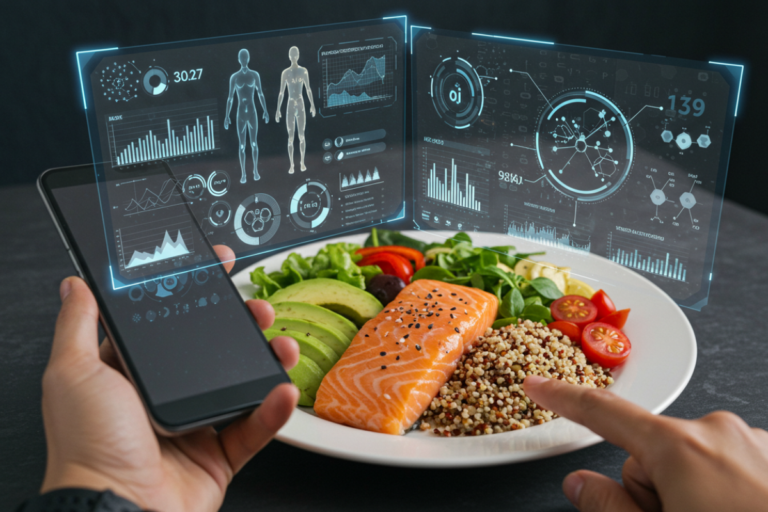

The Science Behind Machine-Learning Meal Optimization

In today’s fast-paced world, making the right food choices can feel overwhelming. We want meals that are healthy, affordable, and suited to our personal tastes. But how can technology help us make smarter meal decisions? Enter machine-learning meal optimization, a fascinating intersection of artificial intelligence and nutrition science. This technology analyzes vast amounts of data …

Workplace Air Quality: An Overlooked Factor in Employee Health

Most companies invest heavily in ergonomic chairs, standing workstations, and premium coffee to improve the comfort and productivity of their employees. Discussions regarding facility management often focus on the aesthetics and design of offices. However, we often overlook one of the most important factors for a healthy workplace: the air we breathe in office buildings. …

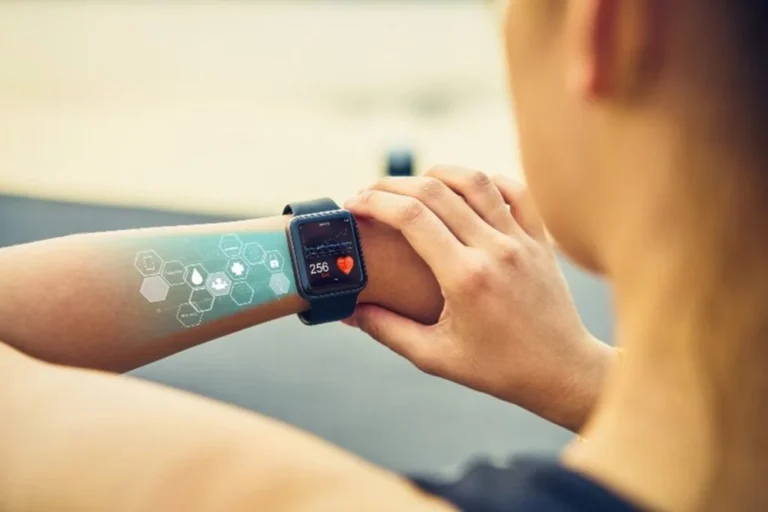
Sleep Tracking Data: What the Numbers Actually Mean

Last Updated: June 2026 | Reading Time: 10 minutes Consumer sleep trackers have transformed how people monitor their rest. Watches, rings, mats, and bedside monitors generate nightly reports filled with metrics: sleep stages, heart rate variability, respiratory rate, blood oxygen, and proprietary scores. The problem is that most users interpret these numbers without understanding what …

Mindfulness Practices Backed by Neuroscience Research

Last Updated: June 2026 | Reading Time: 9 minutes Mindfulness has moved beyond spiritual tradition into rigorous scientific investigation. Over the past two decades, neuroimaging studies have documented measurable changes in brain structure and function resulting from consistent mindfulness practice. These findings separate evidence-based techniques from popular misconceptions and provide a clear framework for implementation. …

Digital Detox Strategies for Chronic Overthinkers

Last Updated: June 2026 | Reading Time: 8 minutes Chronic overthinking is not simply a personality trait. It is a cognitive pattern reinforced by the digital environment most people inhabit. The average adult spends over seven hours daily interacting with screens, receiving notifications, and consuming algorithmically curated content. Each interaction triggers micro-dopamine releases, fragments attention, …